
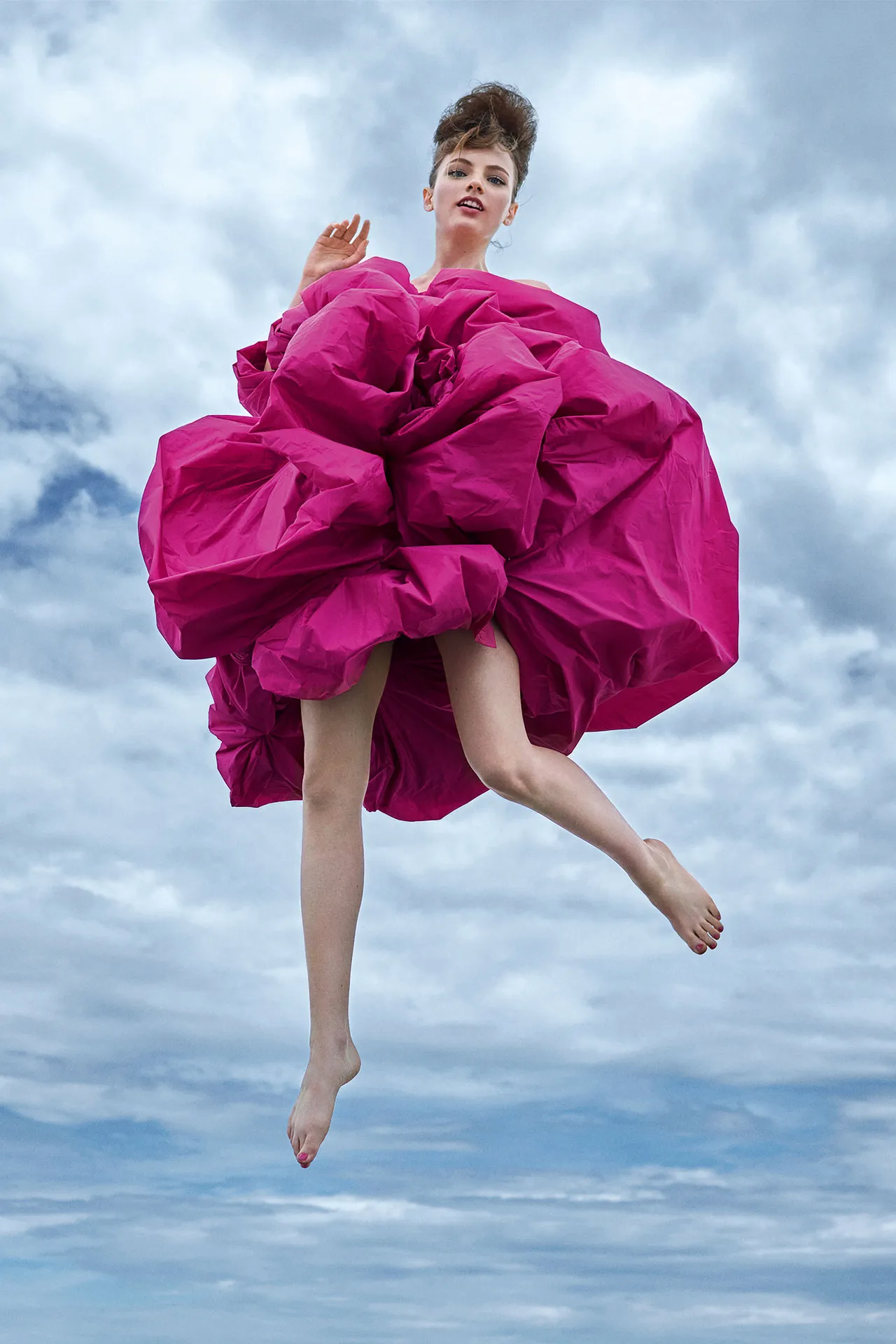
Black tie can sound intimidating because the phrase suggests strict rules and expensive clothing. In practice, the easiest approach is to respect the formal level first and personalize within it second. Clean tailoring, evening-appropriate fabrics, polished footwear, and restrained accessories matter more than trying to create the most elaborate outfit in the room.
Understand What Black Tie Is Asking For
Black tie describes a high level of evening formality. For traditional menswear, that normally means a tuxedo or equivalent formal dinner attire. For womenswear, long evening dresses are common, though sophisticated formal cocktail-length options may suit some events.
Before experimenting, establish a reliable base. Browsing black tie style references may supply visual ideas, but the invitation wording and event setting should remain your primary guides.
Read Extra Dress-Code Wording
“Black tie optional,” “creative black tie,” and standard “black tie” aren’t identical instructions. Extra wording may increase or reduce the amount of flexibility available.
If the host provides event information or a detailed invitation, follow that before relying on general social media interpretations.
Prioritize Tailoring Over Decoration
A simple formal outfit that fits beautifully often looks stronger than a heavily embellished one with poor proportions. Jackets should sit cleanly across the shoulders, trousers should break neatly, and dresses should allow controlled movement without pulling.
People consulting formalwear comparison material can easily become focused on brands. Fit is often the more visible issue once an outfit is being worn.
| Element | Safe Direction | Common Problem |
|---|---|---|
| Jacket | Clean formal tailoring | Casual business styling |
| Evening dress | Refined fabric and fit | Excessive daytime details |
| Shoes | Polished and dressy | Casual worn footwear |
| Accessories | Controlled accents | Too many statements |
Use Accessories to Personalize the Look
Black tie doesn’t require everyone to dress identically. Accessories give you room to express personal taste without lowering the formality of the outfit.
A distinctive clutch, elegant earrings, cufflinks, an evening watch, restrained pattern, or interesting texture may be enough. When browsing formal event inspiration, notice how one controlled statement often has more impact than several competing accessories.
Think About Comfort Without Dressing Down
Formal clothes can be comfortable when chosen properly. Look for enough room to sit, eat, walk, and move your arms naturally. Shoes should be broken in before the event, and fabrics should suit the season and venue temperature.
Comfort becomes a problem only when the solution noticeably lowers the dress code. Replacing formal footwear with highly casual shoes or wearing everyday office clothing because it’s familiar can make the outfit feel underdressed.
Where Black Tie Overthinking Creates Problems
Some guests worry so much about making a mistake that they add unnecessary formality. More jewelry, shinier fabric, dramatic accessories, or complicated styling won’t automatically make an outfit more correct.
Others move too far in the opposite direction and assume any dark suit or party dress qualifies. Black tie is about a recognizable level of evening polish. Start with that standard, then simplify. It’s easier to look confident in restrained formalwear than in an outfit packed with details chosen mainly from uncertainty.
Frequently Asked Questions
Does black tie mean I have to wear black?
No. Black is traditional and dependable, especially for tuxedo-based dressing, but formal evening clothing can include other sophisticated colors. The important requirement is maintaining the appropriate level of formality.
Can I wear a short dress to a black-tie event?
A refined cocktail-length dress may work at some black-tie events, particularly when the design and fabric are clearly formal. A floor-length gown remains the more traditional choice when the invitation is strictly black tie.
What should I avoid wearing to black tie?
Avoid clothing that reads clearly as everyday business or casual wear, along with noticeably worn shoes and highly informal accessories. If uncertain, choosing a cleaner and slightly more formal interpretation is usually easier than trying to push the dress code downward.
Keep the Formula Simple
Build the outfit around one properly fitted formal foundation, then add only the accessories that improve it. Check the invitation, consider the venue, and make sure you can comfortably sit and move before leaving home. Black tie becomes far easier once you stop treating every detail as a separate test. Respect the level of formality, then let restraint do the rest.