
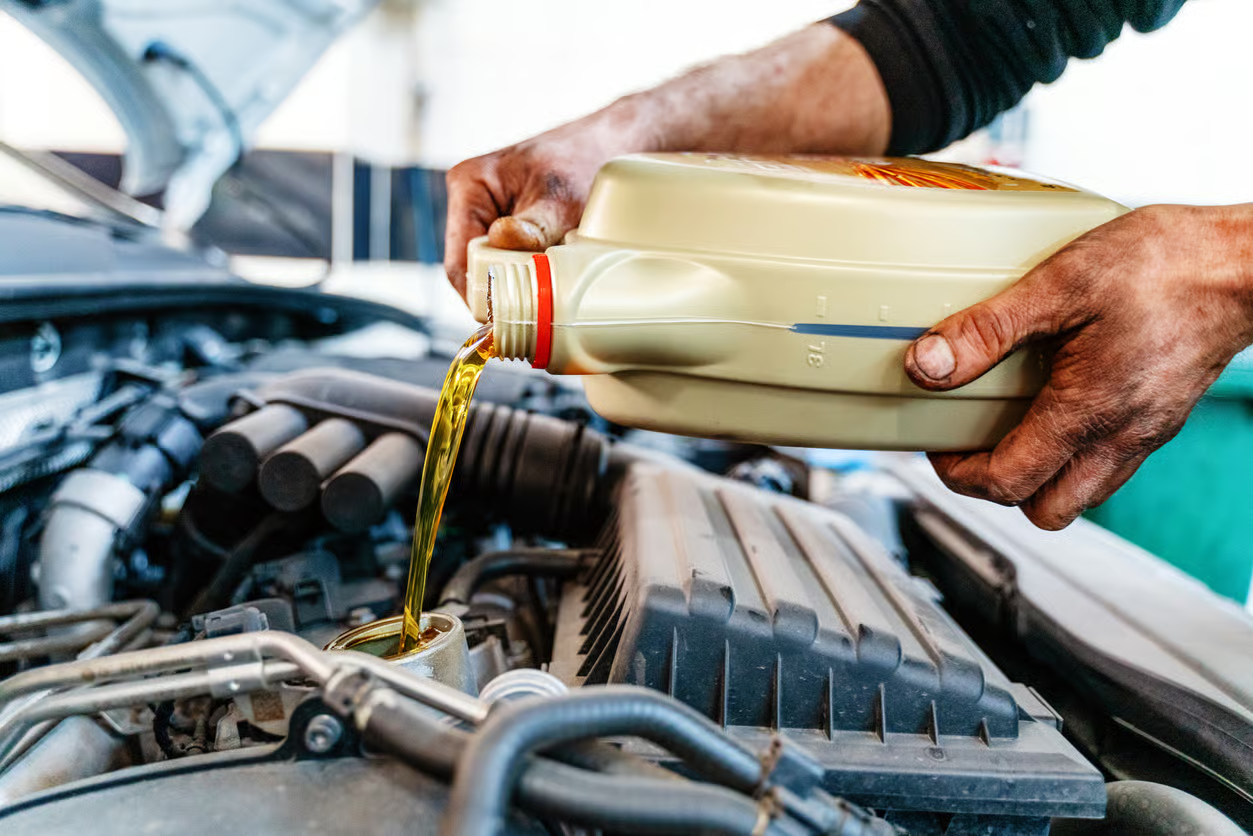
Engine oil has to lubricate moving parts while flowing correctly across a wide range of temperatures. Incorrect engine oil can affect lubrication behavior, cold starting, hydraulic systems, engine protection, and potentially efficiency when its viscosity or specification doesn’t match what the manufacturer requires.
Choosing oil by brand reputation alone isn’t enough. The viscosity grade and required performance specification matter more.
Why Oil Viscosity Matters
Oil must be thin enough to circulate when the engine is cold while maintaining adequate protection as operating temperature rises. Modern engines are designed around particular viscosity ranges and oil specifications.
Those requirements also interact with internal friction and component design. Anyone reading about powertrain engineering concepts will find that lubrication is part of the engine’s overall mechanical efficiency rather than a separate concern.
Thicker Isn’t Automatically Better
Some drivers assume thicker oil provides stronger protection because it feels heavier. That reasoning ignores the clearances, pumps, variable valve systems, and lubrication passages designed for the engine.
Using a viscosity outside the approved range can change how quickly oil circulates and how some oil-controlled systems operate.
Follow the Specification, Not Guesswork
The owner’s manual or manufacturer service information normally identifies suitable viscosity grades and required oil standards. Climate or operating conditions may affect which approved grade is appropriate.
Owners doing maintenance at home can find plenty of conflicting advice across garage service discussions. Manufacturer requirements remain the safer starting point because two engines that look similar can have different lubrication needs.
| Oil Choice Issue | Possible Result | Better Approach |
|---|---|---|
| Wrong viscosity | Improper flow characteristics | Follow approved grade |
| Wrong specification | Additive package may differ | Match required standard |
| Too little oil | Lubrication risk | Check level correctly |
| Too much oil | Operational problems | Maintain proper level |
Modifications Don’t Automatically Change Oil Needs
A vehicle with cosmetic upgrades, wheels, suspension changes, or other non-engine modifications typically doesn’t need a different engine oil simply because it has been customized.
Enthusiasts researching modified car maintenance should separate appearance or chassis changes from modifications that genuinely alter engine operating conditions. Even then, changing oil specification should be based on sound technical requirements rather than internet habit.
The correct oil filter matters as well. Oil service works as a system, so filter quality, oil level, and replacement interval all deserve attention.
Common Oil Selection Mistakes
One mistake is choosing oil solely because it is marketed as premium, racing, high-mileage, or high-performance. Those labels don’t guarantee compatibility with a particular engine.
Another is changing viscosity to mask mechanical symptoms such as oil consumption, low pressure, or engine noise without diagnosing the cause. A different oil may change a symptom temporarily while the underlying wear, leak, or mechanical fault continues.
Frequently Asked Questions
Can the wrong oil reduce fuel economy?
Oil viscosity can influence internal resistance, especially during warm-up. Whether the difference is noticeable depends on the engine, conditions, and how far the oil differs from the manufacturer’s approved specification.
Can I switch between approved oil viscosities?
Some manufacturers approve more than one viscosity depending on climate or operating conditions. Check the manual or official service information rather than assuming any commonly available grade can be substituted.
Does synthetic oil automatically improve efficiency?
Synthetic formulation can offer useful performance characteristics, but the oil still needs to meet the engine’s required viscosity and specification. Choosing the correct approved product matters more than relying on the word “synthetic” alone.
Put the Correct Oil in the Engine
Engine oil shouldn’t be selected through guesswork. Check the manufacturer’s viscosity recommendation, required oil standard, service interval, and proper fill quantity before buying or changing it.
Correct oil supports lubrication while allowing the engine’s systems to operate as designed. If oil-related symptoms continue despite using the right product, diagnose the mechanical cause rather than experimenting with increasingly different grades.