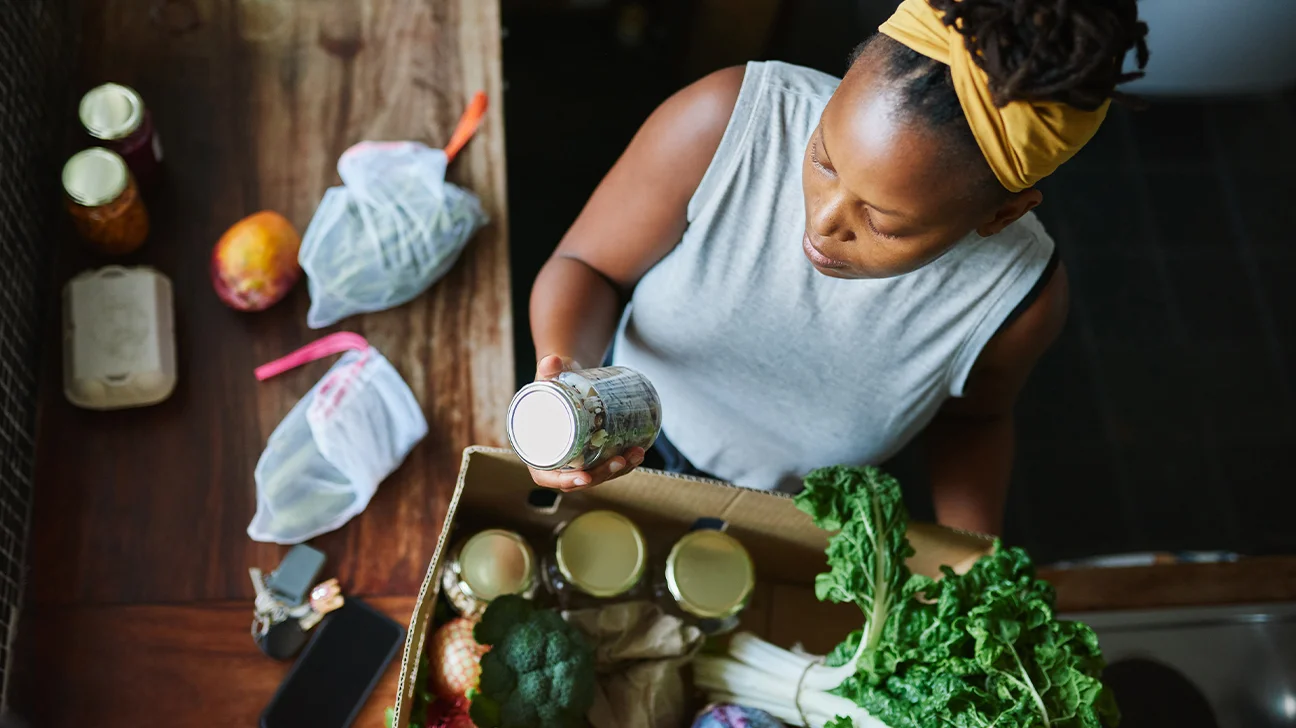
Frequent food waste often starts before anything reaches the trash. Buying too much, forgetting what is already available, storing produce incorrectly, and letting newer groceries hide older ones can shorten the useful life of your food. A better routine combines smarter shopping, visible storage, rotation, and realistic meal planning.
Check What You Have Before Buying More
Shopping without checking the refrigerator, freezer, and pantry makes duplicate purchases easy. Another bag of spinach or carton of milk may seem harmless until the older one is forgotten behind it.
Take a quick inventory before making a grocery list. Pay special attention to ingredients that spoil quickly.
Plan meals around food that needs to be used first instead of building every meal around new purchases. This changes the question from “What do I want to buy?” to “What should I use soon?”
Make Older Food Easier to See
A refrigerator can be full while perfectly usable food remains practically invisible. Deep shelves, opaque containers, and newer groceries placed in front of older items increase the chance that something will be forgotten.
People browsing household planning ideas may find many organization systems, but visibility is the useful principle. Keep foods that need attention where household members naturally look.
Create a small “use first” area for opened products, leftovers, and produce nearing the end of its useful freshness.
Store Different Foods According to Their Needs
Not every fruit, vegetable, bread, or prepared food stays fresh under the same conditions. Some items benefit from refrigeration, while others may keep better under suitable pantry or counter conditions.
General food storage topics can provide ideas, but packaging instructions and reliable food-safety guidance should take priority where storage temperatures or safe handling matter.
| Problem | Better Habit | Likely Benefit |
|---|---|---|
| Produce forgotten | Keep it visible | Earlier use |
| Bread spoils unused | Freeze extra portions | Longer storage |
| Leftovers disappear | Label containers | Easier tracking |
| New food hides old | Rotate groceries | Older items used first |
Freezing can be especially useful for portions that won’t be eaten soon. Dividing food before freezing also makes it easier to take out only what you need.
Buy for the Week You Will Actually Have
Meal planning fails when it describes an ideal week rather than the one that’s likely to happen. Buying ingredients for seven cooked dinners doesn’t make sense if work, school, social plans, or takeout usually interrupt several evenings.
Different kitchen planning resources may encourage detailed menus. A flexible plan can work better for households with changing schedules.
Choose a few meals that share ingredients. If bell peppers, herbs, chicken, or another perishable ingredient can be used across multiple dishes, leftovers from one recipe are less likely to become waste.
Leave some room in the plan for existing leftovers.
Why Buying in Bulk Can Cost More
A lower price per unit doesn’t save money when part of the purchase ends up in the trash. Large packs make sense for foods your household uses consistently, items with long storage lives, or products that can be divided and frozen successfully.
Bulk buying becomes less attractive with unfamiliar produce, short-lived ingredients, or foods purchased mainly because of a promotion.
The cheapest package isn’t always the cheapest amount. Compare what your household can realistically consume before quality declines.
Frequently Asked Questions
How can I stop forgetting leftovers in the refrigerator?
Store leftovers in a consistent, visible area and label containers with the contents and date. Check that area before cooking or ordering another meal so existing food gets considered first.
Does freezing food help reduce household food waste?
Yes, freezing suitable foods can extend their usable storage time and prevent ingredients or cooked portions from being discarded simply because they cannot be eaten soon enough.
Should I plan every meal before grocery shopping?
Not necessarily. Planning several core meals while leaving room for leftovers and schedule changes may be easier to maintain than assigning a different cooked meal to every day.
Use More of What You Already Buy
Reducing food waste doesn’t require complicated meal spreadsheets or a perfectly organized refrigerator. Start by checking what you already own, moving older foods forward, planning around perishables, and buying quantities your household can reasonably finish.
The most effective grocery-saving habit may be surprisingly simple: regularly use the food already in your kitchen before bringing more home.