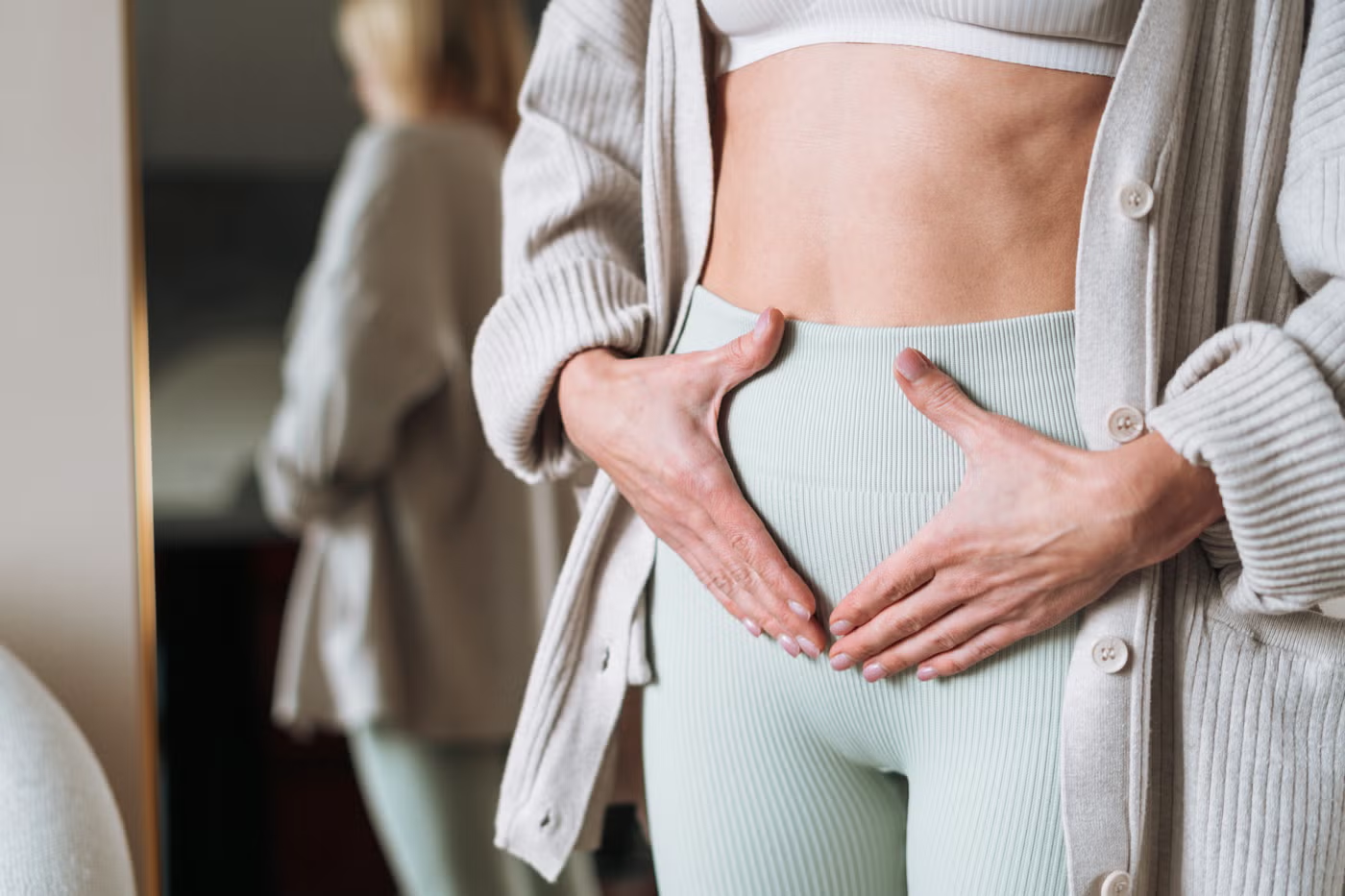
Premenstrual bloating can make the abdomen feel tight, swollen, heavy, or unusually full in the days before a period. Hormonal changes can affect fluid balance and digestive symptoms, while food choices, constipation, stress, and activity may influence how noticeable the discomfort becomes. Better habits can help, but persistent bloating shouldn’t automatically be blamed on the menstrual cycle.
How Does Premenstrual Bloating Usually Behave?
Bloating is a recognized physical symptom of premenstrual syndrome. The Office on Women’s Health notes that PMS may include bloating or gassiness along with cramping, headaches, breast tenderness, and emotional changes.
A cycle-related pattern generally becomes clearer when bloating appears predictably before menstruation and then improves. Symptoms that remain unchanged throughout the month may deserve a wider look.
Some people combine symptom records with stress management reading because stress and digestive discomfort often interact. Tracking both can help reveal patterns without assuming stress is the sole cause.
Which Eating Habits May Reduce Discomfort?
Large salty meals can contribute to temporary fluid retention in some people. The Office on Women’s Health recommends choosing healthy foods and notes that reducing salt, caffeine, and sugar before menstruation may lessen some PMS symptoms.
Rather than adopting an extreme restriction, pay attention to foods that repeatedly precede worse symptoms. Regular meals and adequate fluids may also be easier on digestion than major swings between overeating and skipping meals.
| Habit | Possible Effect | Practical Approach |
|---|---|---|
| High-salt meals | More fluid retention | Moderate portions |
| Large meals | More fullness | Try smaller meals |
| Low activity | Slower digestion | Add gentle movement |
| Poor sleep | Harder symptom coping | Keep regular sleep |
Broader lifestyle health reading can support healthier routines, but unnecessary food elimination can create new problems. Remove a food only when there’s a sensible reason rather than treating every carbohydrate or dairy product as the cause.
Can Movement Help With Premenstrual Symptoms?
Regular physical activity may help with several PMS symptoms and can support normal bowel function. It doesn’t need to involve punishing workouts.
Walking, cycling, swimming, or another comfortable aerobic activity can be easier to maintain across the month. Office on Women’s Health guidance recommends regular aerobic physical activity as one general strategy for PMS.
Keeping routine wellness guidance nearby may make habits easier to organize. Even so, severe abdominal swelling or pain shouldn’t be treated as a fitness problem simply because it happens near a period.
Don’t Assume Every Swollen Feeling Is Fluid
Bloating can involve fluid retention, intestinal gas, constipation, or a combination. The sensation of a larger abdomen doesn’t reveal which mechanism is responsible.
Constipation may worsen around the same time as other premenstrual symptoms. Food intolerances, irritable bowel syndrome, gynecologic conditions, and other digestive problems can also overlap with the menstrual cycle.
Common Mistakes That Make Bloating Harder to Understand
One mistake is changing five habits at once. If diet, supplements, exercise, and fluid intake all change together, it’s difficult to know what helped.
Another is relying heavily on unproven supplements or “detox” products. PMS treatments and supplements vary widely in evidence and safety. MedlinePlus recommends discussing vitamins or herbal supplements with a healthcare professional rather than assuming they’re harmless.
When Bloating Should Be Checked
Discuss bloating with a healthcare professional if it becomes severe, persists outside the premenstrual window, progressively worsens, or significantly affects eating and daily activities.
Prompt assessment is also sensible when bloating occurs with significant or persistent pelvic or abdominal pain, repeated vomiting, blood in the stool, unusual vaginal bleeding, fever, fainting, or another major change from your usual pattern. These findings can have causes unrelated to PMS.
Frequently Asked Questions
How can I tell if bloating is related to PMS?
Track when it starts and when it improves. A pattern that repeatedly appears before menstruation and eases afterward is more suggestive of a premenstrual connection than bloating that remains constant throughout the month.
Does drinking water make premenstrual bloating worse?
Normal hydration generally shouldn’t be avoided because of bloating. Fluid needs differ, and deliberately dehydrating yourself isn’t a good strategy. People with medical conditions requiring fluid restrictions should follow their clinician’s advice.
Can constipation make period bloating feel worse?
Yes. Constipation and intestinal gas can add to abdominal fullness and pressure. Tracking bowel habits alongside menstrual symptoms may help show whether digestive changes are contributing to the discomfort.
Make Small Changes You Can Actually Measure
Premenstrual bloating is easier to manage when you know its timing and likely triggers. Track symptoms, keep meals reasonably balanced, stay active, and change one habit at a time so you can judge the effect. If bloating stops following a predictable cycle pattern or becomes unusually painful or persistent, get it evaluated instead of assuming PMS explains everything.
This article is for general informational purposes and is not a substitute for professional medical advice, diagnosis, or treatment.