
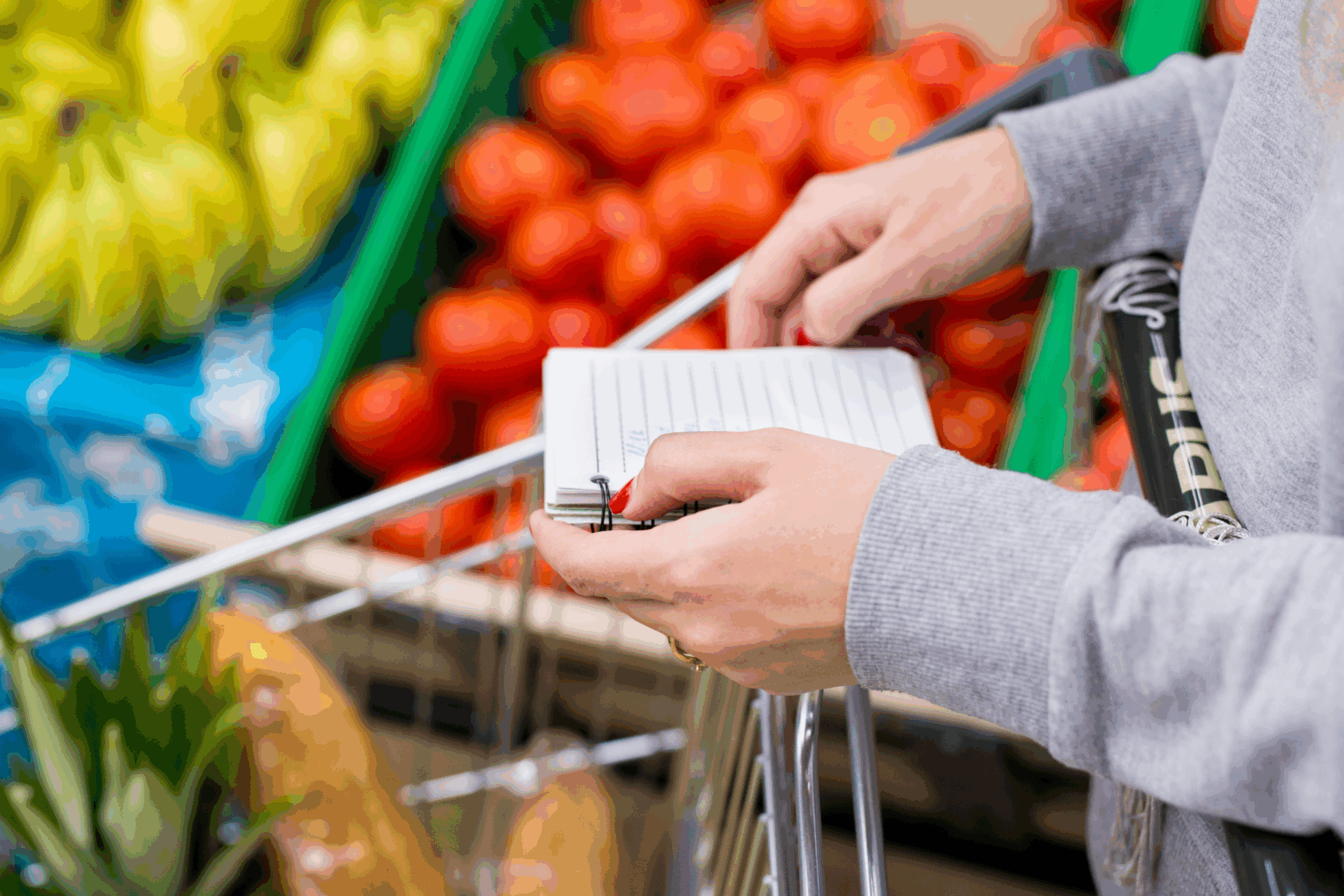
Expensive grocery trips often come from dozens of small purchasing decisions rather than one costly item. A practical way to spend less is to plan several meals around overlapping ingredients, check what you already own, compare unit prices, limit convenience purchases, and choose affordable staples that still support varied meals. Saving doesn’t require buying the cheapest version of everything.
Plan From the Kitchen Before the Store
Open the refrigerator, freezer, and pantry before creating your shopping list. Food already at home should influence the week’s meals so you’re not buying another package while an older one goes unused.
Consumer reading resources may offer plenty of shopping ideas, yet your own kitchen is the best place to begin. Write down ingredients that need to be used soon and build meals around them.
A half bag of rice, frozen vegetables, eggs, pasta, beans, or leftover ingredients can often become the starting point rather than forgotten inventory.
Build Meals Around Ingredients That Overlap
Buying twelve unrelated ingredients for three separate recipes can become expensive. Instead, choose meals that share several components while still tasting different.
For example, vegetables purchased for a rice bowl might appear later in pasta, soup, wraps, or an egg-based meal. Browsing shopping trend directories can expose you to popular grocery ideas, but trendy specialty ingredients aren’t automatically useful if the remainder sits untouched.
Plan enough variety to avoid boredom without requiring an entirely new basket for every dinner.
Compare Value, Not Package Price
The cheapest package isn’t always the least expensive choice over time. Compare the amount you’re receiving, how much your household will realistically use, and whether some of it is likely to spoil.
| Shopping Choice | Possible Saving | Main Risk |
|---|---|---|
| Larger package | Lower unit cost | Food may be wasted |
| Store brand | Lower shelf price | Preference varies |
| Frozen produce | Longer storage | Texture differs by use |
| Sale item | Reduced price | Buying unnecessarily |
A bulk package that ends up in the trash hasn’t saved money. Smaller quantities may sometimes be the more economical decision for foods your household uses slowly.
Reduce Convenience Spending Selectively
Pre-cut produce, individually packed snacks, ready-made sides, and single-serving drinks often charge for convenience. Preparing some items at home can reduce the bill when you have the time and will actually use the ingredients.
General media guides may encourage aggressive cost cutting, but convenience isn’t automatically wasteful. Paying a little more for an ingredient you’ll genuinely eat can make more sense than buying a cheaper raw version that repeatedly spoils.
Focus first on convenience costs that don’t provide much value to your household.
Where Grocery Saving Goes Too Far
A strict cheapest-item rule can create false savings. Buying food people dislike, quantities they cannot finish, or ingredients that don’t fit normal meals may increase waste and lead to extra trips.
Another mistake is shopping only around promotions. A discount isn’t useful when it persuades you to buy something that wasn’t needed. Compare sale prices with normal alternatives and watch the final basket total rather than counting how many discounted items you found.
The strongest grocery budget is one your household can repeat without constantly feeling deprived.
Frequently Asked Questions
Is shopping with a grocery list cheaper?
A list can reduce unplanned purchases and duplicate buying, especially when it is created after checking food already at home. It still helps to remain flexible when a reasonable substitute offers better value.
Are store-brand groceries always cheaper?
They are often priced competitively, but not every product or promotion follows the same pattern. Compare shelf prices, package sizes, unit prices where available, and the amount your household will actually use.
Does buying groceries in bulk save money?
Bulk purchases can save money when the unit cost is lower and the food can be used or stored before quality declines. Buying excess quantities of perishable food can erase those savings through waste.
Make Every Grocery Trip More Intentional
Lower grocery spending comes from buying with a purpose rather than chasing the lowest possible receipt once. Check your kitchen, build meals around overlapping ingredients, compare real value, and be selective about convenience. Most of all, pay attention to what gets thrown away. The food you routinely waste can reveal where your next round of grocery savings is hiding.