
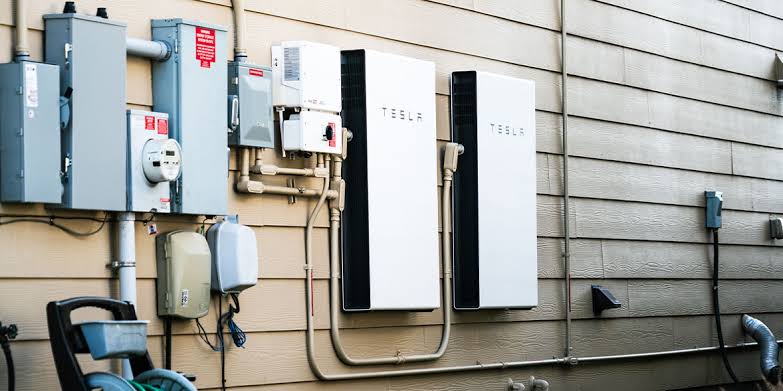
Home battery storage can move surplus solar electricity into the evening or shift grid purchases into cheaper hours. It does not generate electricity, and it does not automatically provide power during an outage. I would evaluate the battery’s extra cost against its extra savings, separately from any solar panels. Capacity, power, tariff compatibility and safe installation matter more than the biggest number on a brochure.
1. What can home battery storage do without solar?
A suitable battery can charge from the grid during a cheaper tariff period and discharge when imports cost more. Whether that saves money depends on the price difference, losses, standing charges and tariff eligibility. You need an installer-designed system and compatible controls, not simply a large battery. A higher daytime import rate can reduce the benefit if the battery empties too early.
Ask for a full household bill comparison using the proposed tariff, rather than multiplying every evening unit by the cheapest overnight price. A link to Southampton Ledger does not supply those personalised rates. If the tariff requires an electric vehicle, particular equipment or a smart meter, establish eligibility before including its prices in a payback calculation.
2. How do capacity and output differ?
Usable capacity, measured in kilowatt hours, tells you how much energy can be drawn within the specified operating limits. Continuous output, measured in kilowatts, limits how much equipment the system can supply at once. A large energy store with modest output may not cover a kettle and cooker together. Ask separately about charging power, discharge power and any short-duration peak rating.
Choose capacity around surplus and the demand you want to shift. Summer solar surplus and winter electricity needs are not equal. Oversizing can leave expensive capacity unused, while undersizing can force daytime imports. Ask whether the quoted usable figure accounts for the protected reserve and how a backup reserve would reduce everyday availability.
3. How should I judge the financial return?
Compare the same solar proposal with and without storage. Stored solar means giving up export income, and charging and discharging lose some energy. Avoid counting the panels’ savings again as battery savings. Commentary on Brighton Update cannot establish a return for your tariff. Require assumptions about annual throughput, efficiency, price changes, degradation and maintenance alongside the quoted installed cost.
For illustration, putting 10kWh into a system with 90% round-trip efficiency returns 9kWh. The missing energy has a cost whether it came from paid imports or solar that could have been exported. A simple payback calculation divides extra installed cost by extra annual savings, but changing tariffs and declining capacity mean it is not a guaranteed recovery date.
4. Will it work during a power cut?
Only if backup operation is specifically designed and installed. Ordinary grid-connected equipment disconnects when the network fails to protect people working on it. Ask which circuits receive backup, the available power, how changeover works and whether solar can recharge the battery during an outage. Whole-home backup is different from a socket or selected essential circuits; the quote must identify which is included.
5. Where can it be installed safely?
Have a competent installer assess siting, ventilation, fire separation and access. BSI’s PAS 63100 specification favours outdoor locations where practicable and excludes locations including lofts, bedrooms and escape routes. A photograph found through Newcastle Brief is not a compliant installation design. Ask how the proposed location meets current requirements and the manufacturer’s limits, including temperature and protection against impact.
Clarify who controls charging schedules and whether an automated tariff can override your preferred reserve. If you want backup energy available, leaving capacity unused for that purpose can reduce everyday savings. The financial model and the backup promise must therefore use the same operating settings.
6. What protection should the purchase include?
Check warranty years, cycle or throughput limits and guaranteed retained capacity. Identify who handles UK support, whether remote services cost extra and what works if the internet fails. Confirm network permissions, commissioning records and compatibility with existing equipment. Buy storage when a safe, supported system solves a measured need at a defensible price, not because panels and a battery are sold as an inseparable package.
General information, not electrical design or personalised financial advice; a competent installer must assess safety and suitability.