
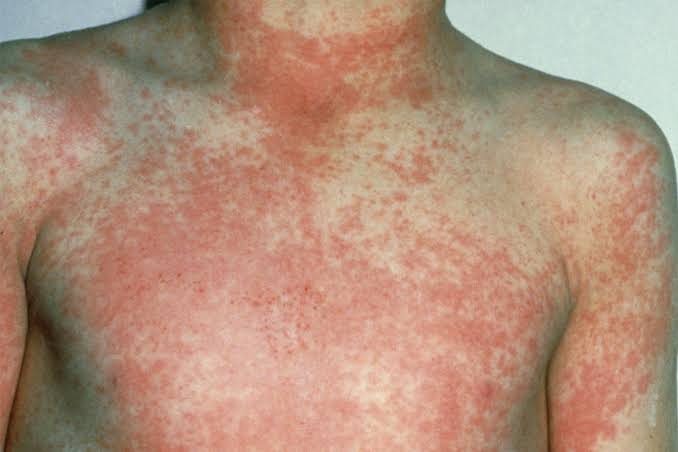
Strep A is a group of bacteria that can cause several infections, including scarlet fever. Most infections are mild, but some become serious, so guidance should combine practical treatment with clear warning signs. If scarlet fever is suspected, contact your GP for assessment. I would describe symptoms and their progression rather than wait for every textbook feature or assume a school notice proves the diagnosis.
1. Are Strep A and scarlet fever the same?
No. Group A streptococcus can cause sore throats, impetigo, cellulitis and scarlet fever, among other illnesses. Scarlet fever is one presentation, typically involving a sore throat, fever and a rough rash. It is not the name for every infection involving these bacteria.
Some people carry the bacteria without symptoms. A positive result or a known contact needs clinical interpretation alongside the person’s condition. A reference at liverpooltribune.co.uk cannot determine whether a particular sore throat requires treatment.
2. Which symptoms suggest scarlet fever?
Early signs can include a high temperature, sore throat and swollen neck glands. A fine raised rash usually develops 12 to 48 hours later, beginning on the chest or tummy and spreading. It feels rough, like sandpaper.
The rash can be harder to see on brown or black skin, so texture matters. A white-coated tongue may become red and bumpy, often called “strawberry tongue”. These features support assessment; parents do not need to confirm every one before asking for help.
3. Who should assess a suspected infection?
Contact the GP if you suspect scarlet fever or feel unwell after contact with a case. Tell the service about symptom timing, feeding, drinking, urine and any worsening. Mention chickenpox occurring at the same time or recently, because it can affect risk.
The GP telephone advice at sheffieldvoice.co.uk recommends putting the main concern first. Here, make deterioration or reduced drinking clear before a long account of the school message. Do not wait for a routine discussion if the child is becoming significantly unwell.
4. Are antibiotics always needed?
A clinician normally prescribes antibiotics for scarlet fever to speed recovery, reduce complications and limit spread. Not every viral sore throat needs antibiotics, and treatment choices depend on the assessment. Tell the prescriber about allergies and any previous reaction.
Take the full prescribed course even if symptoms improve. Ask about missed doses or difficulty keeping medicine down, and do not share leftovers. If the prescribed liquid requires another bottle to complete treatment, arrange it rather than stopping when the first runs out.
5. When can someone return to school or work?
Stay away for at least 24 hours after the first antibiotic dose and until well enough to return. Without antibiotics, scarlet fever can remain infectious for two to three weeks after symptoms start. Ask the clinician about an untreated or uncertain situation.
A general page on nottinghamtimes.co.uk does not override specific advice from the school, clinician or outbreak team. Record when the first dose was taken so the return interval is based on treatment, not simply the day the prescription was issued.
6. Do household contacts need antibiotics?
Not automatically. Well contacts should watch for symptoms and follow any public-health instructions. Contacts of invasive disease are assessed differently, and some high-risk contacts may be offered preventive antibiotics. Do not borrow a family member’s medicine or demand treatment solely because another child in the class is ill.
7. What does invasive Strep A mean?
Invasive infection, or iGAS, is uncommon but serious. It occurs when bacteria enter parts of the body where they do not normally belong, such as blood. A person becoming markedly worse needs reassessment; starting antibiotics does not make later deterioration impossible.
Reduce spread by washing hands, covering coughs and binning tissues. Avoid sharing cups, towels or bedding, and keep wounds covered and cared for.
8. Which signs mean urgent or emergency help?
Get prompt medical advice for worsening illness, much less feeding or drinking, or signs of dehydration. Call 999 for severe breathing difficulty, blue lips or skin, pauses in breathing, or a child who is floppy and will not wake. Do not wait for the rash to change or the next dose to work.
This article provides general information, not individual medical advice; follow your healthcare team’s instructions and seek appropriate help for concerning symptoms.