Weak tactical awareness can make a technically capable player look a step behind the game. The problem often appears in positioning, timing, support angles, defensive cover, and choosing where to move without the ball. Studying movement can help, but tactical understanding grows fastest when observation is connected directly to decisions made during training.
Start by Understanding Your Position
Players cannot read every part of the game at once. Begin with the responsibilities of your own position during possession, defending, and transitions.
A fullback, for example, may need to judge when to overlap, when to stay deeper, and when to move inside. The correct choice depends on teammates, opponents, space, and the team’s plan.
Reading broader team football discussions may provide context, but players should keep returning to the specific movements their role requires.
Study What Happens Before the Ball Arrives
Good tactical players often move early. They notice the action that is likely to happen next and position themselves before the pass, press, or run develops.
Watch Matches With One Purpose
Watching the ball for 90 minutes teaches less than many players expect. Choose one player in your position and follow their movement, including the periods when they are nowhere near possession.
Notice their distance from teammates, body angle, recovery runs, and movement when the ball changes sides.
General competitive football coverage can give players more situations to observe, but focused viewing is more educational than passive watching.
Learn Common Game Cues
Tactics become easier when players recognize recurring signals. A center-back carrying the ball forward may invite a midfielder to move higher. A winger receiving with their back to goal may trigger an overlapping run.
| Game Cue | Possible Response | Reason |
|---|---|---|
| Teammate under pressure | Offer support angle | Create an outlet |
| Opponent plays backward | Step forward together | Compress space |
| Ball switches sides | Shift across | Protect central areas |
| Teammate overlaps | Adjust position | Maintain balance |
The response is not automatic in every system, but recognizing these cues creates a starting point for faster decisions.
Players using tactical football resources can compare ideas with what their own coach expects rather than assuming every formation uses identical movement rules.
Recreate Match Situations in Training
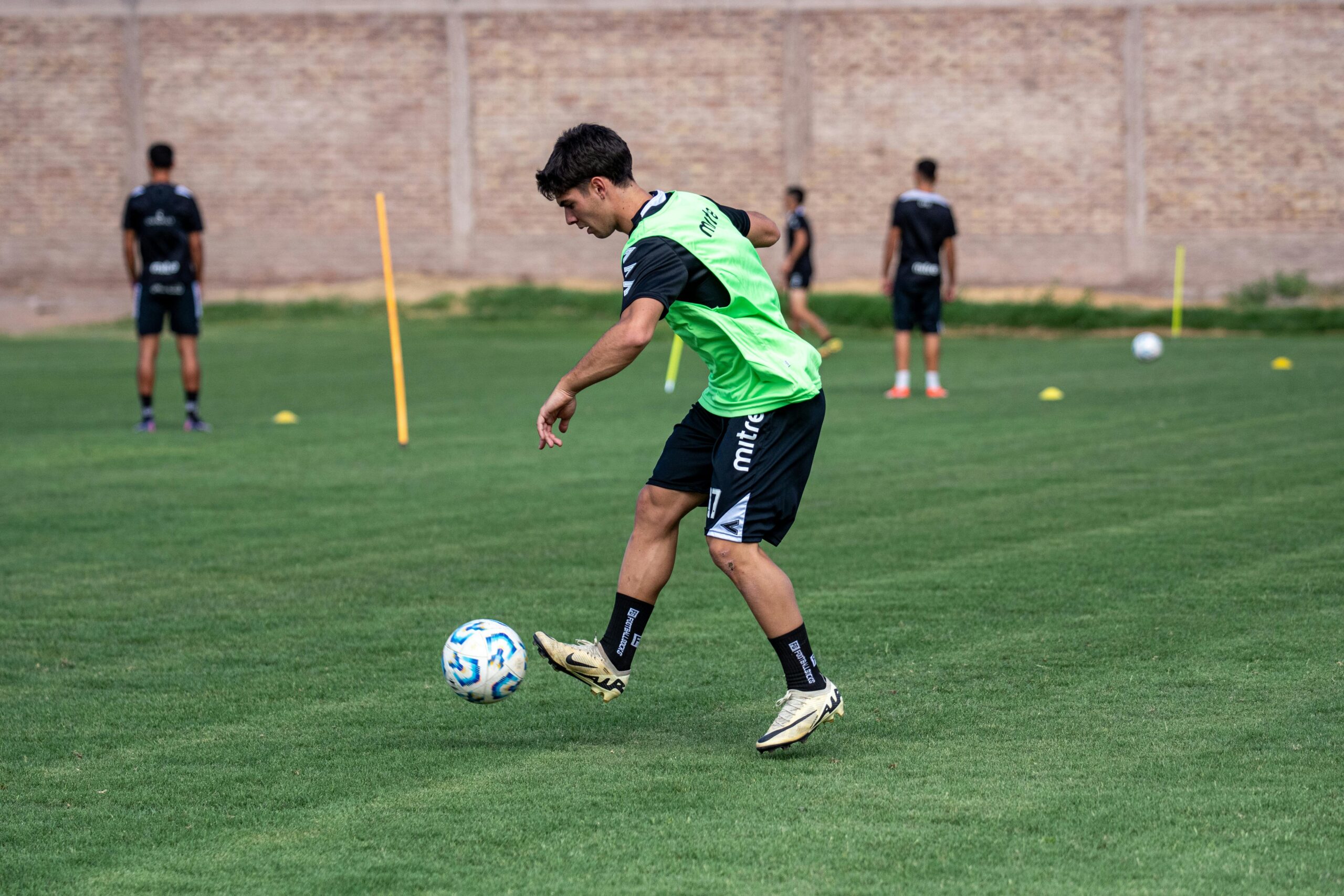
Tactical lessons become clearer when players experience them physically. Set up small scenarios such as a three-versus-two attack, defending an overload, or building play against a press.
Stop the exercise occasionally to examine spacing and options, then restart from the same position. Players can immediately test a different decision.
Ask Why a Movement Worked
Knowing where to stand is less useful than understanding why that position helped. A support run may create a passing lane, drag a defender away, or protect against a counterattack.
What Players Commonly Misunderstand
Tactical awareness is not the same as memorizing formations on a whiteboard. A player can understand a 4-3-3 diagram and still struggle once opponents rotate, press unevenly, or create overloads.
Another mistake is copying professional movements without considering the surrounding situation. A midfielder may drift wide because a teammate moved inside, not because that wide position is always correct. Tactical decisions are connected. Study the cause of the movement, not only its final location.
Frequently Asked Questions
Can tactical awareness be learned without a coach?
Players can improve by watching matches carefully, reviewing their own games, and studying positional concepts. Coaching remains valuable because an outside observer can identify positioning problems that are difficult to notice while playing.
Does playing more matches automatically improve tactics?
Experience helps only when players reflect on what happened. Repeating the same positional mistakes without feedback can reinforce poor habits instead of correcting them.
Should young players study professional matches?
Yes, when the viewing has a clear purpose. Following one player in a similar position can reveal support runs, defensive spacing, scanning habits, and movement away from the ball.
Turn Observation Into Better Positioning
Tactical growth comes from connecting what you see with what you do. Study your position, identify common game cues, watch off-ball movement, and recreate difficult situations during practice. Weak tactical awareness improves when players stop chasing the ball mentally and begin reading the relationships developing around it.