
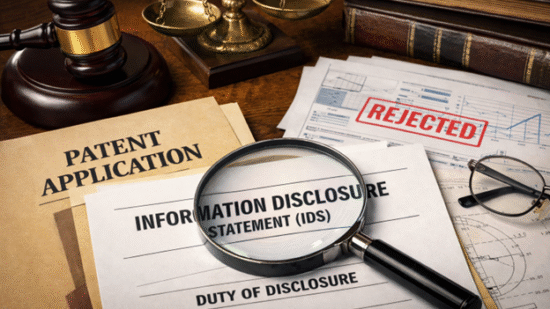
Inventors should think about patent strategy before demonstrating, publishing, selling, or publicly discussing an invention. U.S. law provides certain inventor-related grace-period protections, but relying on them can create risk, particularly when protection may also be sought in countries with different disclosure rules.
Understand Why Filing Timing Matters
The United States operates under a first-inventor-to-file framework. USPTO guidance discusses a one-year grace period for certain inventor-originated public disclosures, while also warning that public disclosure before filing can affect foreign patent rights.
The USPTO’s guidance on provisional patent applications explains these timing considerations in more detail.
Keep Useful Development Records
Inventors can keep organized records showing technical development, versions, drawings, prototypes, testing, contributors, and disclosure dates. Good documentation can help a patent professional understand how the invention developed and who contributed to inventive concepts.
People exploring legal research pages should not confuse an informal idea note with a patent filing. Patent rights depend on statutory requirements and properly prepared applications, not merely on proving that an idea was written down first.
| Record | Useful Detail | Purpose |
|---|---|---|
| Design notes | Dates and revisions | Development history |
| Drawings | Components and relationships | Technical explanation |
| Test records | Results and changes | Supporting detail |
| Disclosure log | Who saw what and when | Timing review |
Control Disclosure Before Filing
Before sharing technical details with manufacturers, investors, contractors, or potential partners, determine whether disclosure is necessary and what confidentiality arrangements are appropriate.
General law-focused web reading may explain legal concepts, but patent consequences can turn on exactly what became publicly available and when. USPTO guidance notes that publication, public use, or an offer for sale can be relevant forms of public disclosure.
Think Beyond U.S. Protection
An inventor planning international filings should be especially cautious about publishing first and filing later. USPTO guidance states that many countries may not grant patent protection where public disclosure occurred before the patent application was filed.
Browsing rights and dispute resources can provide general legal context, but international patent strategy requires country-specific analysis and careful filing coordination.
Where Inventors Commonly Misjudge the Risk
A major misconception is that the U.S. one-year grace period makes early disclosure harmless. Even where a U.S. exception may apply, foreign rights can be affected, and the precise facts surrounding a disclosure matter.
Another mistake is assuming that a provisional application can be extremely vague. USPTO guidance states that the provisional application needs a written description satisfying applicable statutory requirements, and necessary drawings should be included when they are needed to understand the invention.
When Should a Patent Attorney Be Consulted?
Consider speaking with a patent professional before a planned public launch, investor presentation, trade-show display, publication, sale, or other disclosure where patent protection matters.
Legal help can also be useful when several people contributed to development, foreign protection is contemplated, an earlier disclosure has already occurred, or there is uncertainty about what an application needs to describe. Filing strategy can depend heavily on the facts and desired countries of protection.
Frequently Asked Questions
Does the United States allow filing after an invention is publicly disclosed?
Certain inventor-originated disclosures may fall within a U.S. one-year grace period, but the rule has conditions and should not be treated as permission to disclose casually. Earlier filing may also be important for foreign rights.
Does a provisional patent application become a patent?
No. A provisional application establishes a U.S. filing mechanism but is not examined as a patent and does not itself mature into an issued patent. Further timely filing steps are generally needed to pursue patent protection.
Should invention records include drawings and test results?
They can be useful. Organized drawings, version histories, technical descriptions, and test records can help explain the development of an invention and provide material for discussions with patent counsel about a possible application.
Protect Filing Options Before Going Public
A disclosure that feels harmless can have lasting patent consequences. Keep technical development organized, identify upcoming presentations or sales activity, and evaluate filing plans before releasing details publicly. Where the invention has meaningful commercial value or international potential, early patent advice can help preserve options that may be difficult—or impossible—to recover later.
This article provides general legal information and is not a substitute for advice from a qualified patent attorney or patent agent regarding a particular invention or filing strategy.