
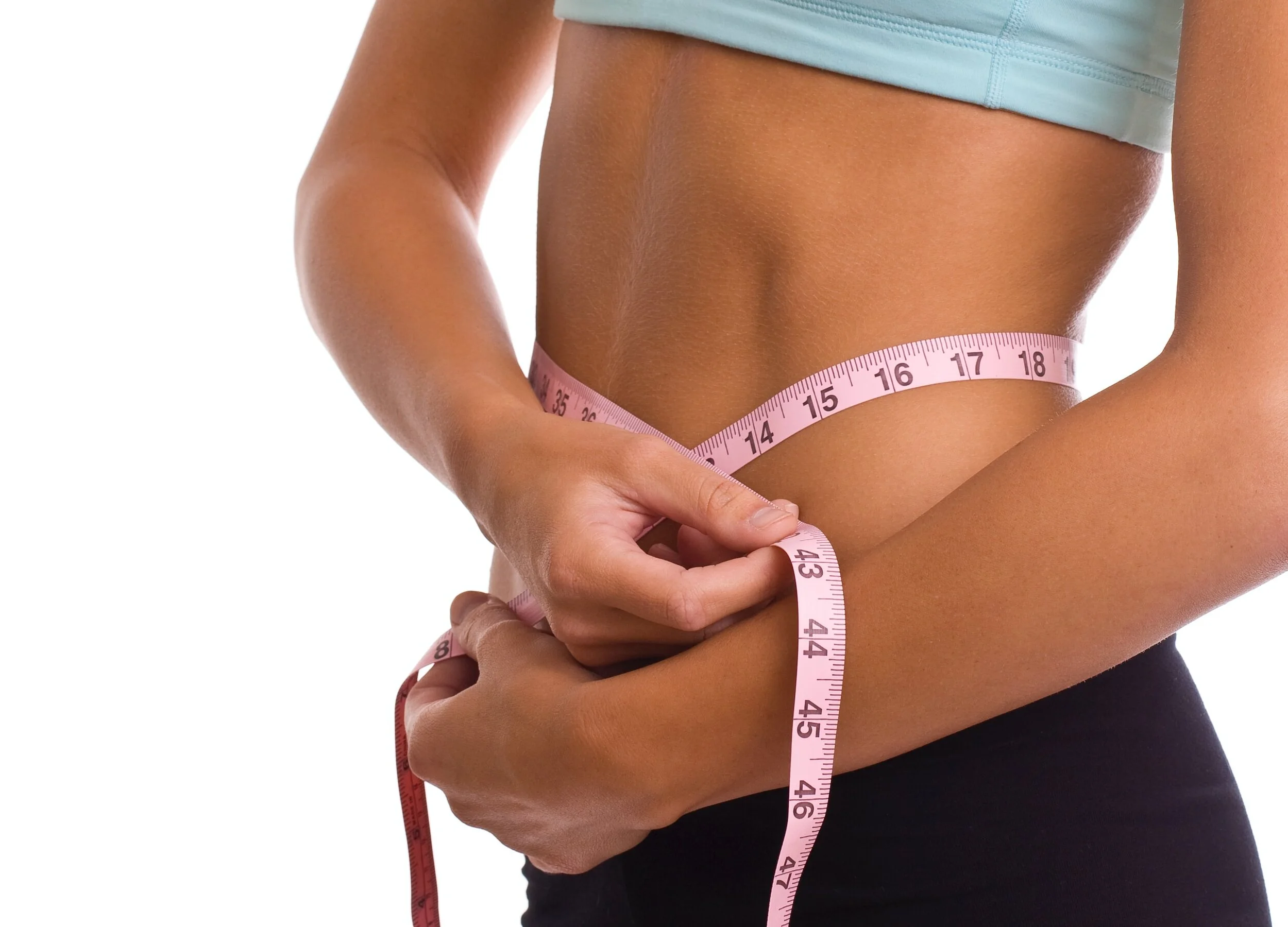
An increasing waist size can reflect changes in body fat, activity, eating patterns, sleep, age, stress, or other health factors. The number on the scale does not always show where body fat is being stored, which makes waist measurements useful alongside overall weight.
The goal is not rapid shrinking. Sustainable health habits matter more.
Why Does Waist Size Matter?
Fat stored around the abdomen is associated with greater metabolic and cardiovascular risk than fat stored in some other areas. Waist circumference can therefore add information that body weight alone may miss.
NIDDK notes that abdominal fat distribution matters when assessing weight-related health risk and recommends considering waist size along with measures such as BMI.
A changing waist should still be interpreted in context rather than treated as a diagnosis.
What Usually Drives a Gradual Increase?
Long-term calorie intake, reduced movement, sedentary work, sleep patterns, stress, aging, medications, and individual biology may all influence body weight and fat distribution.
Some people start with healthy-living resources to identify habits that have gradually changed. That can be useful when the focus stays on practical routines rather than rapid-fix claims.
Even small daily patterns—frequent sugary drinks, large portions, or less walking—can accumulate over time.
Why Sustainable Eating Works Better Than Extreme Restriction
A useful eating pattern should be realistic enough to continue during workdays, weekends, travel, and social events. Meals built around vegetables, fruit, whole grains, protein sources, and sensible portions can help create consistency without turning every meal into a calculation.
Behavior change can be difficult, so behavior-change support may help some people think about stress, motivation, and routines alongside nutrition.
Extreme restriction often creates a cycle of short-term adherence followed by rebound eating.
| Habit Area | Practical Adjustment | Why It Helps |
|---|---|---|
| Drinks | Reduce sugary beverages | Cuts easy excess calories |
| Portions | Serve planned amounts | Improves consistency |
| Activity | Walk and move regularly | Supports energy balance |
| Sleep | Keep a stable schedule | Supports healthier routines |
How Should Physical Activity Fit In?
Exercise helps with cardiovascular fitness, muscle preservation, mobility, mood, and long-term weight management. It works best when combined with sustainable eating rather than used to compensate for repeated overeating.
People exploring long-term wellness reading should be cautious of programs promising dramatic waist reduction from one exercise. You cannot reliably choose exactly where the body loses fat first.
Walking, resistance exercise, cycling, swimming, and other forms of activity can all contribute when performed consistently.
What People Often Get Wrong About Belly Fat
One misconception is that abdominal exercises directly burn abdominal fat. Core training can strengthen muscles, but visible waist changes depend largely on overall body composition.
Another mistake is chasing the fastest possible weight loss. A plan that cannot be maintained rarely solves a long-term pattern. It is often more useful to improve repeatable meals, activity, sleep, and environmental cues than to search for increasingly strict diets.
When Should Increasing Waist Size Be Checked?
Gradual changes related to lifestyle can often be discussed during routine health care. Medical review becomes more important when weight or abdominal size changes rapidly without a clear reason or occurs with swelling, shortness of breath, persistent abdominal symptoms, major appetite changes, or other unexplained symptoms.
A clinician can also review blood pressure, blood sugar, cholesterol, medications, and other factors related to metabolic health when appropriate.
Frequently Asked Questions
Is waist size more useful than body weight?
They provide different information. Weight shows overall mass, while waist measurement gives some indication of abdominal fat distribution. Clinicians may consider both.
Can walking help reduce waist size?
Regular walking can support calorie balance, cardiovascular health, and weight management. Waist changes depend on the broader combination of diet, activity, sleep, and individual biology.
Do abdominal exercises remove belly fat?
They strengthen abdominal muscles but do not selectively force the body to burn fat from the waist. Overall fat loss depends on broader energy balance and long-term habits.
Build Habits You Can Still Follow Months From Now
An increasing waist size is more useful as a health signal than as a reason for extreme dieting. Look at the routines behind the trend: meals, drinks, movement, sleep, and the environments that shape daily choices.
Choose adjustments you can repeat consistently, track the direction of change, and discuss unexplained or medically concerning changes with a health professional.
This article is for general informational purposes and is not a substitute for professional medical advice, diagnosis, or treatment.