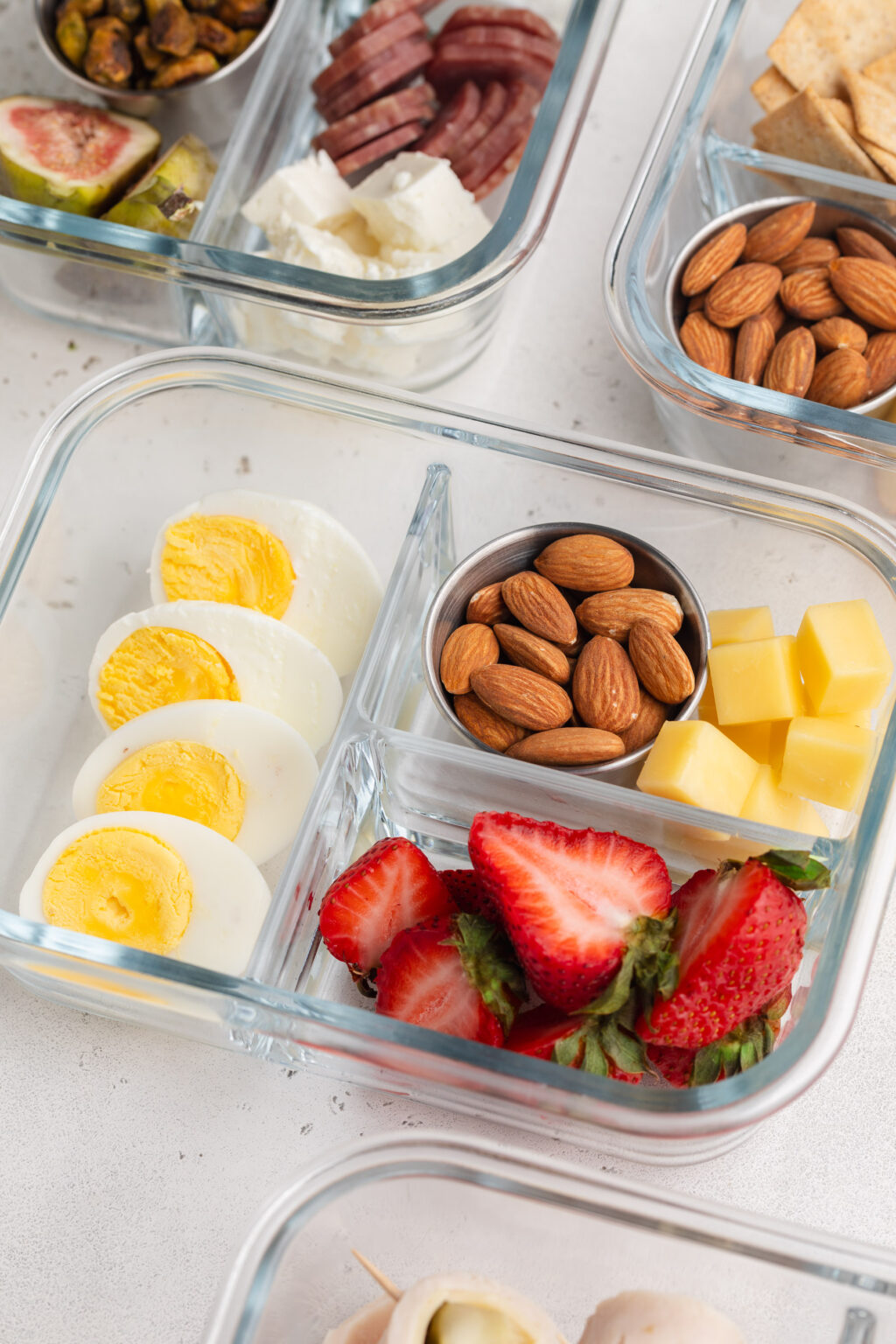
Frequent snack purchases can quietly consume more money than expected because each individual purchase feels small. Packing food before leaving home creates a simple boundary: you already have something available when hunger appears.
The strategy works best when it remains convenient. Complicated meal preparation isn’t required. A few portable options prepared in advance can reduce both impulse spending and unnecessary stops.
Identify When Snack Purchases Usually Happen
People rarely buy snacks at completely random times. Purchases often cluster around commuting, afternoon energy dips, errands, school pickups, long drives, or the trip home from work.
Reading everyday budgeting ideas can introduce broader saving strategies, but tracking your own purchasing pattern is more useful. For one week, note when unplanned snack spending occurs rather than trying to remember afterward.
Focus on the Repeated Situation
If most purchases happen during a particular commute or afternoon break, solve that moment first. You don’t need to redesign your entire diet to reduce one predictable expense.
Pack Food That You’ll Actually Eat
Packing something unappealing doesn’t prevent spending. Choose portable foods you already enjoy and that can safely remain available until you expect to eat them.
Ideas from spending habit content may encourage strict budgeting, but convenience is part of the financial equation. Food that takes too much preparation every morning is harder to maintain.
| Problem | Practical Preparation | Likely Benefit |
|---|---|---|
| Morning rush | Pack the night before | Less chance of forgetting |
| Afternoon hunger | Carry one planned snack | Fewer impulse stops |
| Long errands | Bring food and water | Reduces convenience buying |
| Food gets ignored | Pack preferred options | Better consistency |
Make Prepared Snacks Easy to Grab
Visibility matters. Keep shelf-stable options in one designated location, place refrigerated items where they’re noticeable, and prepare reusable containers before they’re needed.
People exploring personal finance reading may focus heavily on spreadsheets and monthly totals. Sometimes the more effective change happens several hours earlier, when you put something in your bag before leaving home.
A backup option can also help. Keeping an appropriate shelf-stable snack in a work bag, desk, or another convenient location prevents one forgotten morning from immediately turning into a purchase.
Where This Saving Strategy Can Fail
Packing snacks won’t save money if the prepared food goes uneaten while you continue buying something else. That often happens when the packed option is inconvenient, repetitive, or poorly matched to when hunger occurs.
Another trap is buying large amounts of “money-saving” snack food that later expires. Start with realistic quantities. Reducing waste is part of reducing spending, so the cheapest package isn’t necessarily economical if half of it gets thrown away.
Compare the Habit, Not One Purchase
A single inexpensive snack may barely affect your budget. Repetition changes the picture.
Instead of feeling guilty about occasional purchases, look at the monthly pattern. If several small convenience purchases happen every week, reducing even part of that routine can free money for another goal without requiring a dramatic lifestyle change.
Consider setting a small planned allowance for snacks you genuinely enjoy buying. A controlled budget can be easier to maintain than an absolute ban.
Frequently Asked Questions
How can I stop buying snacks while commuting?
Pack something before leaving, keep it within easy reach, and identify the point in your commute when you usually become hungry. Preparation works better when it targets the exact purchasing habit.
Are homemade snacks always cheaper?
Not always. Ingredient costs, food waste, preparation time, and portion sizes can affect the comparison. Simple foods you already purchase for home use are often easier to manage.
Should I completely stop buying snacks outside?
That isn’t necessary for most budgets. Planned occasional purchases can coexist with saving goals. The bigger opportunity is usually reducing frequent, automatic spending that provides little value.
Prepare Before the Spending Moment
Reducing snack spending becomes easier when the decision is made at home instead of while you’re hungry. Pack one practical option, keep a backup available, and pay attention to the situations that trigger purchases.
Small convenience expenses don’t need extreme rules. Replace the repeated habit first. A snack already sitting in your bag can remove both the spending decision and the temptation before either becomes a problem.