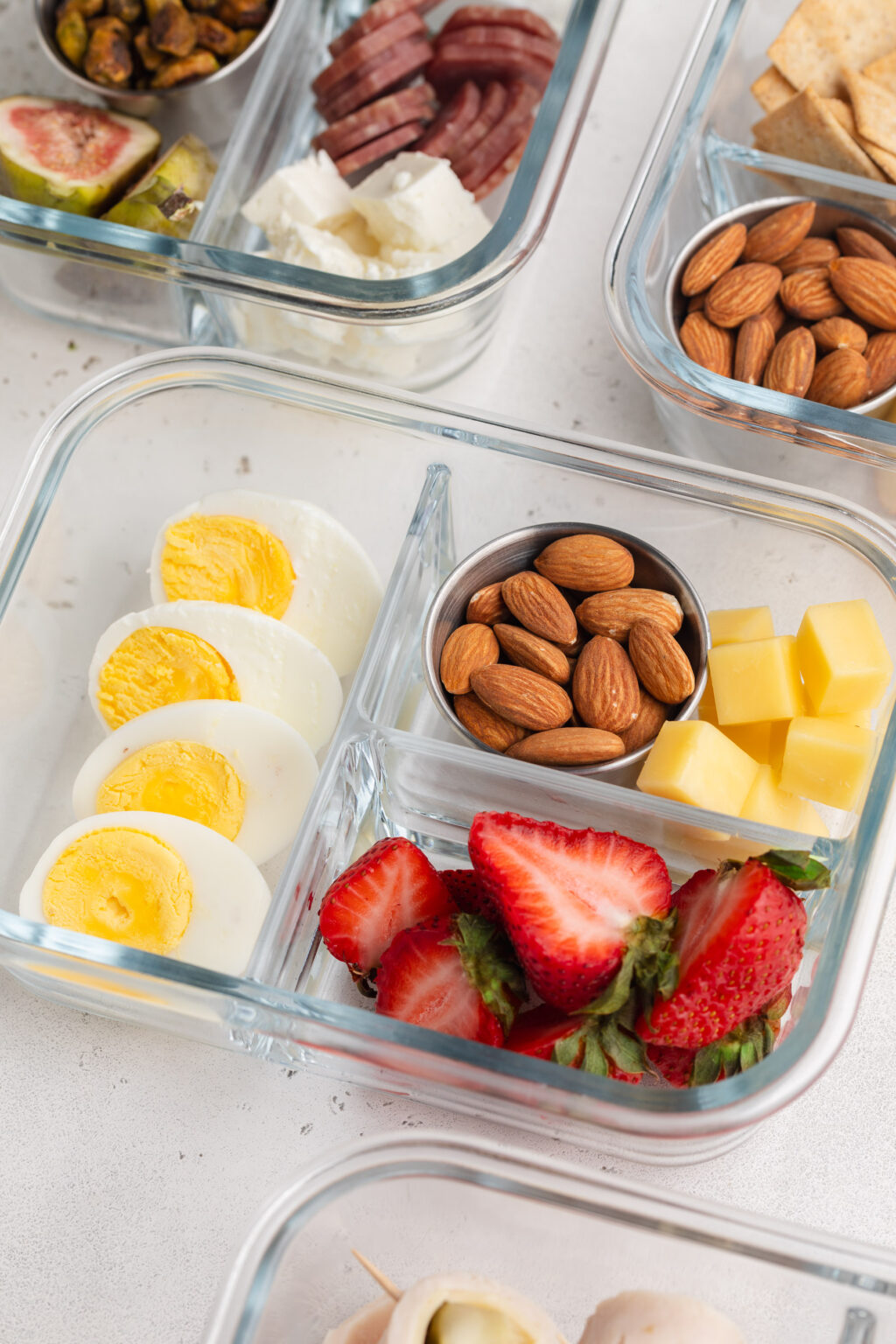

High meal costs are often driven by unplanned shopping, food waste, convenience purchases, and ingredients bought for only one recipe. Better meal planning can reduce those costs by helping households reuse ingredients across several meals and shop with clearer limits.
Saving money doesn’t require eating the same cheap meal every day. It requires making more of what you buy actually get eaten.
Plan Around What You Already Have
Before creating a shopping list, check the refrigerator, freezer, and pantry. Ingredients already at home are the cheapest place to begin because you’ve paid for them.
Build several meals around foods that need to be used soon. Half a bag of spinach, cooked rice, tortillas, eggs, or leftover vegetables can often become part of another dinner instead of ending up discarded.
| Cost Problem | Planning Fix | Example |
|---|---|---|
| Spoiled produce | Use fragile foods first | Salad early in week |
| One-use ingredients | Repeat ingredients | Peppers in tacos and pasta |
| Expensive takeout | Keep quick meals ready | Eggs, wraps, frozen portions |
| Impulse purchases | Shop from a list | Buy planned quantities |
A short inventory can prevent buying duplicates too.
Give Ingredients More Than One Job
Choose meals that share several ingredients without tasting identical. Chicken might appear in a rice bowl one night and a wrap later, while onions and peppers can move through multiple dishes.
People browsing everyday cooking inspiration may find endless recipes, but a cost-conscious meal plan works better when ingredients overlap intentionally.
The expensive mistake isn’t necessarily buying a premium ingredient. It’s buying something, using two tablespoons, and throwing away the rest weeks later.
Build Cheap Backup Meals Into the Week
Plans change. A late workday or unexpected appointment can make a complicated dinner unrealistic, which often leads to restaurant delivery or another convenience purchase.
Keep two or three meals that require little thought. Eggs and toast, pasta with frozen vegetables, soup with sandwiches, or a freezer portion can fill that role depending on household preferences.
General food and lifestyle reading can provide variety, but backup meals should be familiar enough that cooking them feels easier than ordering food.
Convenience has value. Creating cheaper convenience at home is the trick.
Shop With Flexible Limits
A meal plan should guide shopping without becoming so rigid that you ignore obvious substitutions. If a planned vegetable is expensive but a similar one is better priced, adjusting the recipe may lower the bill.
Checking daily household ideas may help generate meal concepts, but your own store prices and household tastes should determine what goes into the cart.
Avoid assuming bulk packages automatically save money. Compare unit costs when practical and consider whether the household can finish the larger quantity before quality declines.
Where Meal Planning Can Cost More
Overambitious planning is one of the easiest ways to waste food. Seven complicated dinners may look organized on paper, but many households will have nights when plans change or leftovers accumulate.
Special recipes can also require sauces, herbs, cheeses, or spices that aren’t used again. A cheaper plan usually leaves some flexibility for leftovers and deliberately repeats versatile ingredients.
Buying more because something is discounted isn’t a saving if half of it gets discarded.
Make Leftovers Part of the Plan
Don’t treat leftovers as an accident. Decide before cooking whether dinner should produce lunch, another dinner, or a freezer portion.
Some meals reheat better than others, so plan accordingly. Chili, soups, curries, casseroles, cooked grains, and many pasta dishes can work well for planned second servings.
Labeling freezer portions with the food and date also prevents them from disappearing into an unrecognizable stack. Keeping a simple freezer list can turn stored food into actual future meals rather than forgotten inventory.
Frequently Asked Questions
How many meals should I plan each week?
Plan enough to give your week structure while leaving room for leftovers and schedule changes. Many households find that planning fewer dinners than there are nights prevents excess food from accumulating.
Is cooking from scratch always cheaper?
No. Time, waste, portion size, and ingredient costs matter. Some convenience ingredients can be economical when they prevent restaurant spending or allow you to prepare meals you will actually eat.
How can I lower grocery costs without eating boring food?
Reuse ingredients in different formats. The same vegetables, proteins, grains, or sauces can become bowls, wraps, soups, salads, stir-fries, or pasta dishes with different seasonings and preparation methods.
Plan for the Food You’ll Actually Eat
The best low-cost meal plan isn’t the one with the cheapest theoretical recipes. It’s the one that fits your schedule, uses ingredients efficiently, and gives you an easy alternative when cooking motivation disappears.
Buy with several meals in mind, leave room for leftovers, and make waste reduction part of the savings strategy.