
Frequent snack cravings can sometimes become easier to manage when meals are more filling and regular. Meals containing protein, fiber-rich foods, and enough overall food may provide steadier satisfaction than meals built mainly around quickly digested snack foods. Still, persistent or unusually intense hunger can have many causes, so food choices aren’t the only factor worth considering.
Start by Looking at the Main Meals
A craving at 3 p.m. may have more to do with lunch than with the snack cabinet. A small meal that lacks staying power can leave hunger returning sooner than expected.
Instead of trying to suppress hunger, look at whether breakfast, lunch, and dinner contain a reasonable mix of protein foods, whole grains or other fiber-rich carbohydrates, fruits or vegetables, and fats.
Meal timing also matters. Long gaps between meals may make convenient, highly palatable snacks especially tempting.
Add Foods That Make Meals More Satisfying
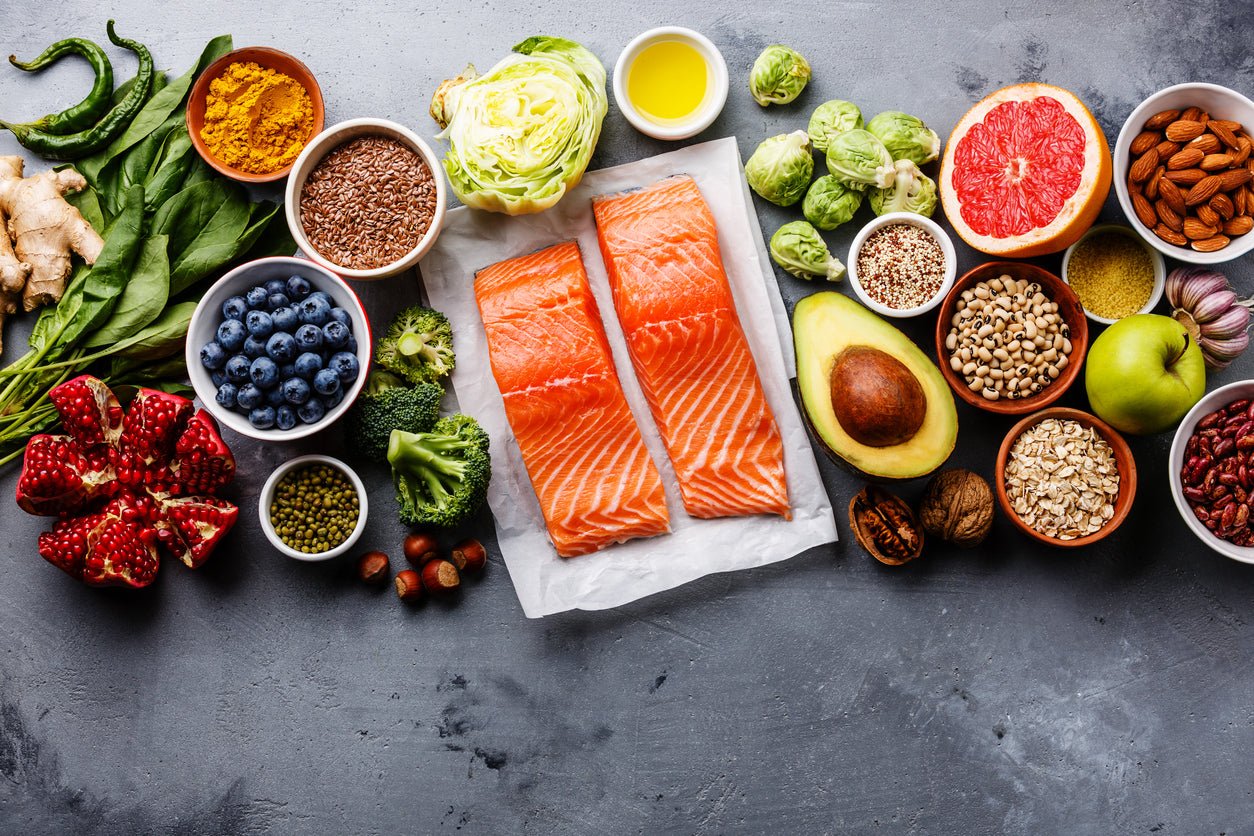
Protein and fiber can be useful parts of meals because they contribute to fullness while also providing important nutrients. Examples include eggs, beans, lentils, yogurt, fish, poultry, whole grains, vegetables, fruit, nuts, and seeds, depending on dietary preferences and individual needs.
General healthy living articles may offer meal inspiration, but there isn’t one perfect combination for everyone. Portion needs differ with body size, activity, age, health, and other factors.
Don’t Forget Fluids
Thirst and routine drinking habits can sometimes become mixed into eating routines. Keep water available during the day without treating it as a replacement for food when you’re genuinely hungry.
Plan Snacks Instead of Fighting Them
Snacking itself isn’t automatically a problem. A planned snack can be useful when meals are separated by several hours or when activity increases energy needs.
Ideas found in nutrition lifestyle discussions can be adapted by pairing foods rather than relying on one small item. Fruit with yogurt, vegetables with hummus, or whole-grain toast with a protein-containing topping may feel more substantial than a snack made mostly from refined carbohydrates.
| Eating Pattern | Possible Issue | Practical Adjustment |
|---|---|---|
| Tiny breakfast | Hunger returns early | Build a fuller meal |
| Long meal gaps | Strong afternoon hunger | Plan a snack |
| Low-fiber meals | Less staying power | Add whole foods |
| Distracted eating | Fullness is easy to miss | Slow the meal down |
Notice What Kind of Craving You’re Having
Physical hunger often develops gradually and can be satisfied by several different foods. A craving may feel more specific: perhaps only something salty, sweet, crunchy, or familiar seems appealing.
Broader meal planning perspectives can help with organizing food choices, but emotional state, sleep, habits, medications, and health conditions may also affect appetite. Increased appetite isn’t automatically a sign that your meals are poorly designed.
MedlinePlus notes that increased appetite can have multiple possible causes and may be intermittent or persistent, which is why unexplained changes deserve context rather than assumptions. MedlinePlus appetite information provides a general overview.
What People Often Get Wrong About Cravings
Trying to make meals as small as possible can backfire when the result is persistent hunger and repeated grazing later. Another common mistake is labeling every desire to snack as a lack of discipline.
Hunger is a normal biological signal. Habits and emotions can influence eating too, but the answer isn’t automatically stricter restriction.
Instead, observe patterns. When do cravings happen? What was eaten beforehand? Did sleep, activity, stress, or routine change? Patterns provide more useful information than guilt.
When Persistent Hunger Deserves Medical Attention
Talk with a healthcare professional if appetite changes are persistent, unexplained, or accompanied by concerning symptoms such as unexpected weight change, excessive thirst, unusual urination, significant weakness, or other new health changes.
Certain medicines and health conditions can affect appetite. Don’t stop prescribed medication or attempt to diagnose the cause yourself based only on hunger or cravings. A clinician can consider the broader pattern and decide whether evaluation is appropriate.
Frequently Asked Questions
Does eating more protein stop snack cravings?
Protein-containing meals may help some people feel satisfied for longer, but cravings aren’t controlled by one nutrient alone. Overall meal size, fiber, eating schedule, sleep, habits, activity, and individual health can all matter.
Is it unhealthy to snack every day?
Not necessarily. Snacks can fit into a balanced eating pattern. What matters more is why you’re eating, what the snack contributes nutritionally, your overall dietary pattern, and whether snacking is replacing meals or responding to persistent unexplained hunger.
Why am I hungry shortly after eating?
Possible explanations include a meal that was too small for your needs, low satiety, long-standing eating habits, increased activity, poor sleep, medication effects, or health-related factors. Persistent unexplained hunger is worth discussing with a healthcare professional.
Build Meals Before Blaming the Snack
Frequent cravings are more useful as information than as a reason for harsher food rules. Start by making regular meals satisfying enough to support your day, then use planned snacks when hunger genuinely appears between them. If appetite changes suddenly, persist without explanation, or occur alongside other symptoms, seek professional evaluation rather than assuming food choices are the entire cause.
This article is for general informational purposes and is not a substitute for professional medical or nutritional advice, diagnosis, or treatment.