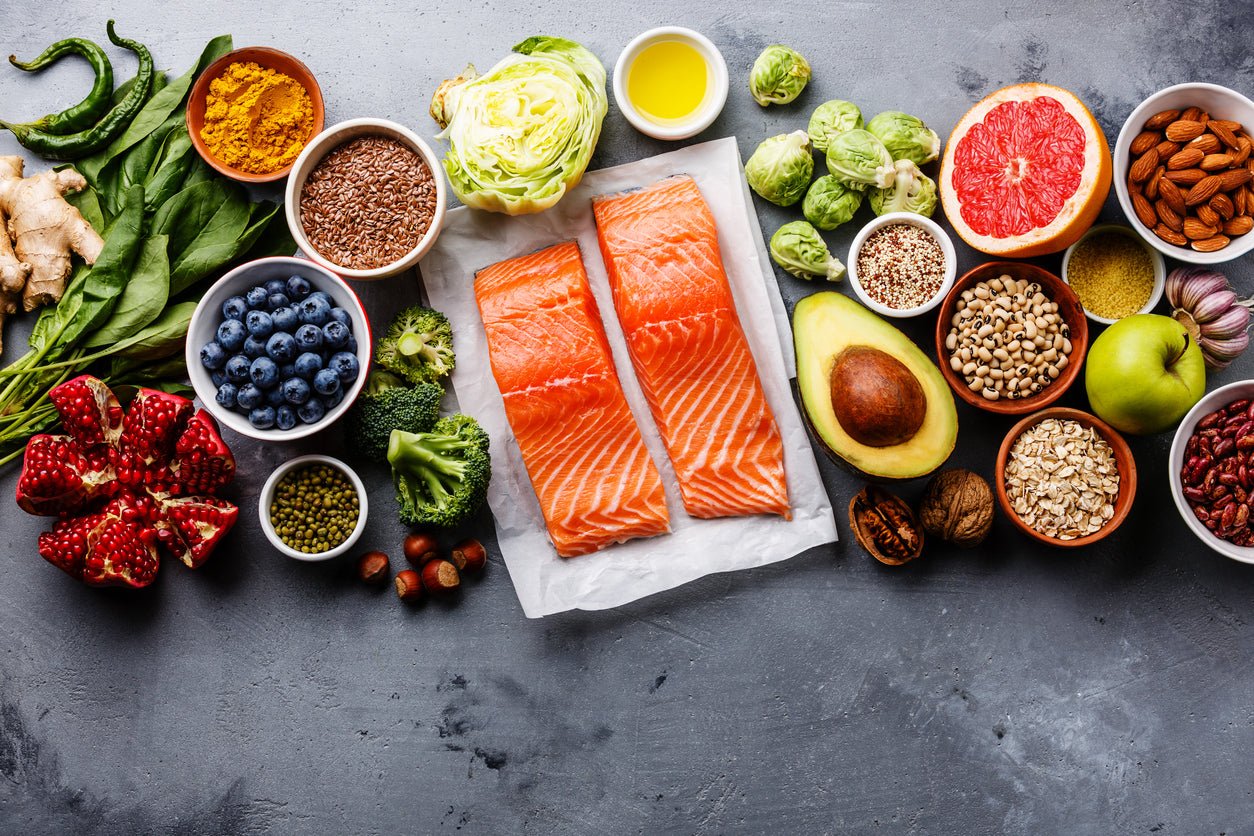
Bland healthy meals usually need stronger seasoning, acidity, aroma, texture, or cooking technique rather than large amounts of sugar, cream, or oil. Herbs, spices, citrus, vinegar, garlic, onions, chiles, toasted ingredients, and careful browning can make simple foods far more satisfying.
The biggest mistake is assuming “healthy” means food should taste mild. Flavor and calorie control aren’t opposites.
Build Flavor in Layers
Seasoning works better when added throughout cooking rather than dumped onto the finished dish. Aromatics such as garlic, ginger, scallions, onions, or fresh herbs can create a strong foundation before the main ingredients are added.
Home cooks searching for ideas may browse general lifestyle reading alongside recipes and cooking references. The useful habit is experimentation: change one flavor element at a time so you understand what actually improves the meal.
Use Spices Before Adding More Fat
Cumin, smoked paprika, black pepper, coriander, turmeric, curry blends, chili powder, and dried herbs can change the personality of a dish with relatively little caloric impact.
Toast dry spices briefly when the recipe allows. Heat can deepen their aroma, but watch them closely because ground spices can burn quickly.
Add Acidity at the End
A squeeze of lemon or lime can wake up vegetables, fish, beans, soups, and grain bowls. Vinegars can do something similar while adding distinctive character.
People collecting everyday food inspiration may encounter complicated ingredient lists, yet a missing acidic note is often the simpler problem. Add a small amount, taste, and adjust instead of pouring aggressively.
| Flavor Tool | Works Well With | What It Adds |
|---|---|---|
| Lemon or lime | Fish, vegetables, grains | Bright acidity |
| Fresh herbs | Salads, soups, meats | Fresh aroma |
| Chiles | Beans, eggs, stir-fries | Heat and depth |
| Toasted spices | Lentils, vegetables, rice | Warm aroma |
Improve Texture Along With Taste
Healthy meals can feel dull when every ingredient is soft. Contrast makes food more satisfying: crisp vegetables with tender grains, toasted seeds over soup, or crunchy cabbage beside soft beans.
Cooks exploring broader recipe topics can gather ideas from many cuisines without turning every dinner into an elaborate project. Even roasting vegetables until their edges brown can create stronger flavor and texture than simply boiling them.
Use calorie-dense toppings such as nuts, seeds, cheese, or crunchy garnishes deliberately. Small portions may provide plenty of texture without dominating the meal.
Use Cooking Technique as Seasoning
Roasting, grilling, broiling, sautéing, and dry-toasting can create flavors that plain steaming or boiling may not. Browning develops deeper savory notes and natural sweetness in many vegetables and proteins.
Don’t overcrowd a roasting pan if browning is the goal. Ingredients packed tightly together release moisture and may steam instead.
A hot pan also helps create color on mushrooms, chicken, tofu, zucchini, and other ingredients. Proper heat can make a simple ingredient taste far more interesting before sauces are added.
Where “Healthy Flavor” Goes Wrong
Many people remove butter, sugar, creamy sauces, and salt from familiar meals but don’t replace the flavor those ingredients provided. The result isn’t automatically healthier eating; sometimes it simply produces food people don’t want to keep eating.
Another mistake is assuming bottled sauces are always low-calorie because they’re marketed as light or healthy. Portions, added sugars, oils, and sodium vary widely, so labels matter when those details are important to your eating goals.
Over-seasoning can also create problems. More spices aren’t always better. Balanced flavor usually comes from contrast rather than sheer intensity.
Create a Simple Flavor Formula
Start with an aromatic, choose one main seasoning direction, add an acidic component, then decide whether the dish needs heat, freshness, or crunch.
For example, roasted cauliflower can take cumin and lemon. Chicken can use garlic, smoked paprika, and lime. A grain bowl can combine fresh herbs, vinegar, crisp vegetables, and a measured spoonful of seeds.
Repeating a few reliable combinations makes weekday cooking faster while still allowing variety.
Frequently Asked Questions
How can I make vegetables taste better without butter?
Try roasting, grilling, or sautéing them for stronger browning, then finish with herbs, citrus juice, vinegar, pepper, garlic, or spices. A small amount of flavorful fat may also fit many eating plans when portioned appropriately.
What seasonings work well for healthy chicken meals?
Garlic, paprika, cumin, black pepper, oregano, thyme, rosemary, curry spices, chiles, lemon, and lime can all work. Match the combination to the rest of the meal rather than using every seasoning at once.
Why do my healthy meals taste bland even after adding spices?
The dish may need salt, acidity, aroma, texture, or better browning rather than additional spices. Taste for balance. A squeeze of citrus, fresh herbs, crisp garnish, or stronger cooking technique can sometimes fix what extra seasoning cannot.
Make Healthy Food Worth Eating
A nutritious meal plan becomes far easier to maintain when the food is enjoyable. Instead of depending on heavy sauces for flavor, build meals with spices, aromatics, acidity, browning, fresh herbs, and contrasting textures.
Keep a few combinations you know you enjoy and adjust them across different proteins, grains, and vegetables. Healthy meals don’t need to taste restrained. They need thoughtful seasoning and good cooking.