
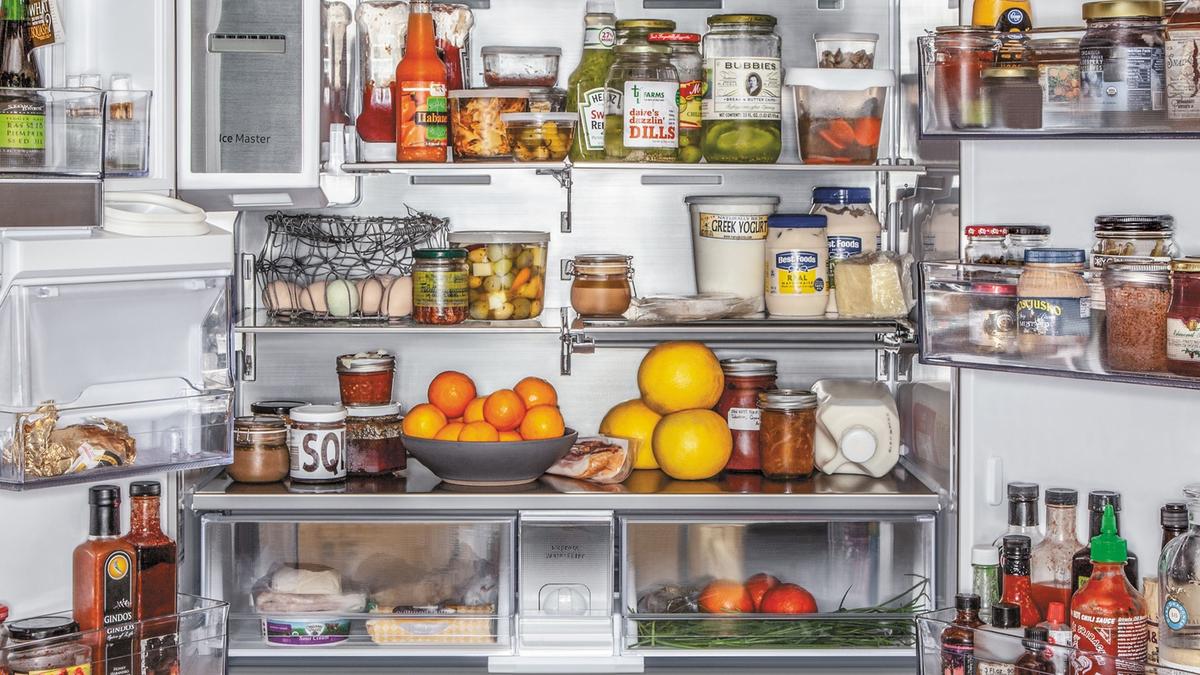
Spoiled refrigerator food often results from forgotten leftovers, poor visibility, buying more than the household can use, and storing foods in places that don’t suit them. A cleaner system can reduce waste by making older food easier to notice and use first.
The refrigerator shouldn’t function as long-term storage for items nobody remembers buying.
Make Older Food Easy to See
Food pushed behind newer groceries is easy to forget. Before putting away a shopping trip, check what is already open and move older items toward the front.
Create a small “use first” area for leftovers, opened packages, and ingredients approaching the end of their useful period.
Households gathering ideas from online knowledge collections may find many storage systems, but visibility is often more useful than elaborate labeling.
Avoid Packing Shelves Too Tightly
A refrigerator filled to the point that items disappear behind one another becomes difficult to manage. Crowding can also interfere with the movement of cold air inside some refrigerators.
Leave enough room to see what you own and reach food without unloading half a shelf.
Plan Meals Around What Is Already Open
Meal planning usually begins with what people want to buy. A waste-reducing approach begins with what needs to be used.
Before shopping, inspect vegetables, dairy products, leftovers, sauces, and opened packages. Then plan a few meals around those ingredients.
Everyday experiences described through online writing communities may suggest creative ways households reuse ingredients, but food that appears unsafe shouldn’t be rescued merely to avoid waste.
| Common Problem | Storage Habit | Practical Fix |
|---|---|---|
| Forgotten leftovers | Hidden containers | Keep them near front |
| Duplicate purchases | No inventory check | Inspect fridge before shopping |
| Wilted produce | Bought in excess | Purchase smaller amounts |
| Mystery containers | No date reminder | Label prepared food |
Store Similar Foods Together
Grouping related items makes inventory easier to understand. Keep cheeses together, sauces in one zone, drinks in another, and produce in the appropriate drawers when your refrigerator provides them.
Containers can help, but don’t turn every shelf into a collection of large bins. A bin that hides its contents may simply move the visibility problem somewhere else.
Broader digital content collections can offer organization inspiration, though the refrigerator manufacturer’s guidance should determine how adjustable drawers and temperature zones are intended to be used.
Buy Smaller Amounts More Often When Needed
Bulk buying doesn’t save money if part of the purchase regularly ends up in the trash. Track which foods your household repeatedly fails to finish.
For easily spoiled items, a smaller package can provide better value even when the unit price is higher.
Shopping habits matter too. Buying aspirational vegetables every week won’t reduce waste if nobody has time to prepare them. Purchase according to realistic meals rather than the meals you hope you’ll cook.
Mistakes That Create More Food Waste
A spotless refrigerator isn’t automatically an efficient one. Moving everything into matching containers can hide dates and instructions from original packaging.
Another mistake is relying only on memory. Busy households quickly forget which leftovers were prepared first.
Avoid assuming that smell or appearance alone can identify every food-safety problem. When you’re uncertain about safe storage or whether a food should be discarded, follow reliable food-safety guidance rather than taking an unnecessary risk.
Frequently Asked Questions
How can I stop forgetting leftovers?
Keep leftovers together in one visible section, label containers when helpful, and check that area before preparing a new meal or ordering food.
Does buying in bulk reduce food costs?
It can for foods you’ll actually use before quality declines. Frequently throwing away part of a large package can make a smaller purchase more economical overall.
Should I organize food by expiration date?
Dates can be useful alongside food type, opening date, and storage instructions. Moving older products forward makes them more noticeable without requiring an overly complicated system.
Use the Refrigerator as a Working Inventory
Reducing refrigerator waste starts with seeing food as inventory that constantly changes. Check what you already have before shopping, keep older foods visible, and purchase realistic quantities based on how your household actually eats.
A simple refrigerator you can understand at a glance will usually prevent more waste than an elaborate organization system you stop maintaining after two weeks.