
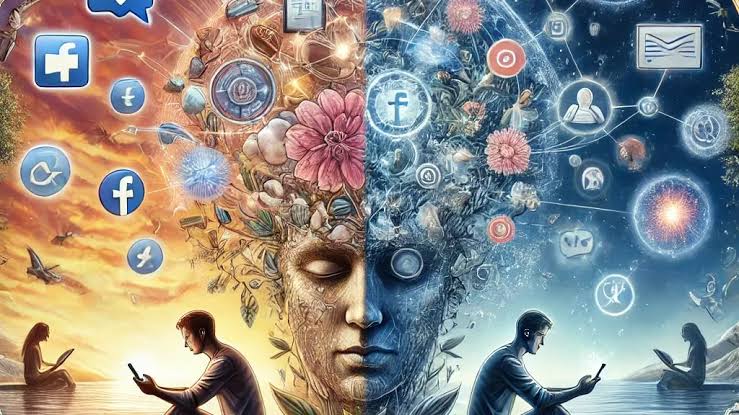
Digital technology has changed the way people experience time. Tasks that once required planning, physical effort, or several hours can now be completed within seconds. Ordering groceries, transferring money, booking transportation, and communicating with someone across the world have become remarkably simple. While these developments have improved everyday efficiency, they have also influenced something less obvious: human patience. As convenience becomes an expectation rather than a luxury, people’s willingness to wait, tolerate uncertainty, and handle minor inconveniences is gradually changing.
Instant Access Has Changed Everyday Expectations
Waiting was once a natural part of completing ordinary activities. People stood in lines to purchase tickets, visited stores to compare products, and waited days for important correspondence. Today, digital platforms have reduced many of these delays, creating an environment where immediate results feel normal.
This shift has changed expectations across different aspects of life. A website that takes several seconds to load may feel frustrating, while a delayed delivery can create disappointment even when the waiting period is relatively short. The issue is not necessarily that people have become less patient in every situation. Instead, their understanding of what constitutes a reasonable delay has changed.
Digital marketing professionals, including teams such as OutreachRangers, operate in an environment where audiences increasingly expect accessible information, responsive communication, and smooth online experiences. These expectations demonstrate how digital convenience influences both consumer behavior and business communication.
Convenience Has Redefined the Value of Time
Technology has encouraged people to view time as something that should be continuously optimized. Applications promise faster transportation, easier shopping, simplified scheduling, and immediate access to entertainment. Although these services provide genuine benefits, they can also create pressure to make every moment productive.
An Australian lifestyle blog exploring modern routines might examine how digital tools influence daily habits, particularly the tendency to fill short breaks with online activity. Waiting for coffee, commuting to work, or sitting in a reception area often becomes an opportunity to check notifications or browse content.
These behaviors suggest that unoccupied time is increasingly treated as something to eliminate. However, moments without immediate stimulation can provide opportunities for reflection, observation, and mental rest. Constantly replacing these pauses with digital engagement may make ordinary periods of inactivity feel unnecessarily uncomfortable.
Transportation Technology and Changing Travel Patience
Transportation provides an interesting example of how convenience affects expectations. Navigation applications, digital ticketing systems, and live arrival updates have made traveling through unfamiliar cities considerably easier. Travelers can compare routes, estimate journey times, and receive notifications about unexpected disruptions.
Someone consulting a metro travel guide may now expect accurate schedules, convenient connections, and clear instructions before beginning a journey. Access to this information reduces uncertainty, but it can also increase frustration when transportation does not operate according to predicted timelines.
Interestingly, technology can both improve and weaken patience during travel. Knowing that a train will arrive in seven minutes may make waiting easier because uncertainty has been reduced. Conversely, watching an arrival estimate repeatedly change can make a relatively minor delay feel more irritating.
Digital Entertainment and the Decline of Waiting
Entertainment platforms have further transformed people’s relationship with patience. Streaming services provide immediate access to movies, music, and television programs, while social media delivers an almost continuous supply of short content.
This abundance of choice can make slower experiences seem less appealing. Reading a lengthy article, watching a detailed documentary, or learning a complicated skill requires sustained attention that differs from quickly consuming digital content.
Online publications such as Vizz.com.au exist within this changing media environment, where readers can move between lifestyle topics, practical information, and general interests with minimal effort. For digital publishers, the challenge involves making information accessible without sacrificing the depth that meaningful reading requires.
Instant Gratification and Its Influence on Personal Goals
The expectation of immediate results is no longer limited to online shopping or entertainment. It can also influence the way people approach personal ambitions, professional development, and everyday responsibilities. When digital services provide quick solutions to ordinary problems, activities requiring consistent effort may begin to feel unusually demanding.
For example, developing a new skill often involves repetition, mistakes, and gradual improvement. Someone accustomed to finding immediate answers online may become discouraged when progress takes weeks or months. However, meaningful achievements rarely follow the same timeline as digital transactions. Recognizing the difference between instant access to information and genuine personal growth can help individuals develop more realistic expectations.
Social Relationships and the Pressure for Immediate Responses
Digital communication has introduced new expectations surrounding availability and responsiveness. Messaging applications allow people to communicate instantly, creating an assumption that messages should receive equally quick replies. When someone takes several hours to respond, the delay may be interpreted as disinterest, even when the person is simply occupied with other responsibilities.
This expectation can place unnecessary pressure on relationships. People have different schedules, communication preferences, and personal boundaries. Constant accessibility does not necessarily indicate stronger connections, just as delayed responses do not automatically suggest a lack of care.
Rediscovering Satisfaction Through Slower Activities
One unexpected consequence of digital convenience is that slower activities can become more rewarding when approached intentionally. Preparing a meal from scratch, completing a challenging puzzle, or working on a creative project provides satisfaction through participation rather than immediate completion.
These experiences encourage individuals to appreciate the process instead of focusing exclusively on the outcome. They also create opportunities to practice concentration, manage frustration, and recognize gradual improvements.
Finding a Healthier Balance Between Speed and Patience
Digital convenience does not automatically eliminate patience. In many situations, technology removes unnecessary frustration and allows people to focus on more valuable activities. The challenge arises when expectations of immediate satisfaction extend into situations that naturally require time.
Developing patience may involve choosing activities that reward gradual progress, such as gardening, reading, cooking, or learning a new language. Allowing occasional periods without digital stimulation can also help people become more comfortable with waiting.
Ultimately, convenience and patience do not need to compete. Technology can simplify practical responsibilities while individuals preserve their ability to appreciate slower experiences. Recognizing this distinction makes it possible to enjoy digital efficiency without expecting every meaningful part of life to happen instantly.