
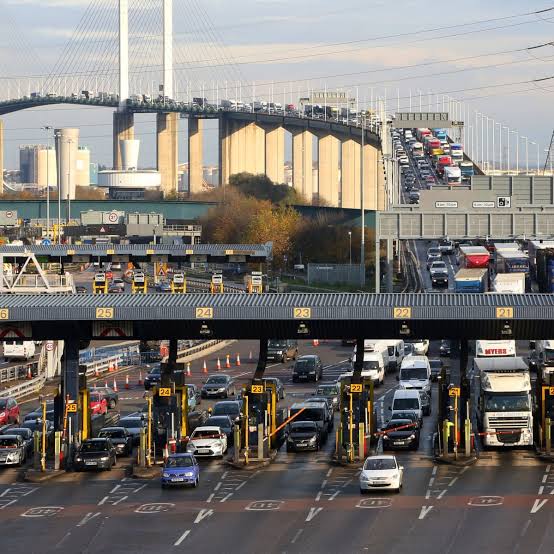
Before paying a Dart Charge notice, confirm that it is genuine and matches a crossing for which payment was actually due. The original crossing charge and a Penalty Charge Notice are separate amounts. I would compare the notice with the official account record, vehicle details and payment evidence before choosing payment or a formal challenge.
1. Verify the Dart Charge notice through the official service
Start from GOV.UK and use the official payment or challenge link. Enter the vehicle registration and PCN reference rather than sending money through a link whose origin you cannot verify.
National Highways warns that unofficial payment websites may add charges and can leave crossings incorrectly paid. It also uses SMS for some account activity, so a text alone does not prove either authenticity or fraud.
Use an independently reached official record to settle the question. For payment, bypass incidental website references such as Trade Mirror and reach Dart Charge through GOV.UK. Save suspicious messages if you need to report misleading or fraudulent contact.
2. Match the vehicle, crossing and charging hours
Check the registration, crossing date, time and any supporting vehicle image. Dart Charge applies between 6am and 10pm every day, including weekends and bank holidays. Crossings outside those hours are free.
Confirm the recorded vehicle category too. Motorcycles, mopeds and quad bikes are exempt from the crossing charge. Vehicles receiving free UK vehicle tax because of disability are also exempt; a description such as disabled passenger does not by itself establish the recorded tax status.
If the notice concerns a sold, hired, cloned or unfamiliar vehicle, preserve the relevant evidence and contact enforcement promptly. Do not pay simply because your address appears on the letter.
3. Reconcile payments and account status
The ordinary crossing charge is due by midnight the following day. Check the registration and date attached to your receipt, including whether you paid for the intended journey rather than a future crossing.
An existing account does not prove collection succeeded. National Highways lists insufficient funds, expired or unvalidated cards and dormant or suspended accounts among possible problems. Inspect the transaction history and any failed payment message.
Use receipts and account entries to trace payment; a general website such as Capital Outlook cannot show that crossing history. If you used an intermediary, establish whether it actually transmitted the right payment, not merely whether your bank shows a debit to that business.
4. Separate the fine from the original charge
GOV.UK states a £70 penalty, reduced to £35 if paid within fourteen days and increased to £105 if unpaid. The ordinary crossing charge remains additional.
The normal PCN payment period is twenty-eight days from receiving the notice. Read its dates and instructions carefully rather than calculating from when you happened to open the envelope.
A car’s current one-off crossing charge is £3.50, but account type and vehicle category affect the underlying tariff. Do not assume paying that smaller road charge after a PCN arrives settles enforcement. Check what the notice actually requires and retain separate confirmations where applicable.
5. Assemble a challenge before choosing payment
If the notice appears wrong, gather the receipt, account record, registration evidence or other material showing why. Make a clear representation identifying the disputed crossing and the outcome sought.
GOV.UK allows challenges online or using the representation slip by post. It explicitly says a PCN cannot be challenged by telephone. A customer service enquiry is therefore not a substitute for completing the formal route.
Save the submission and acknowledgement apart from ordinary browsing such as News Notes. Check how challenging affects the discount and any later appeal rights; do not assume a phone conversation pauses every deadline.
If several notices arrive together, match each reference to its own crossing. One payment confirmation should not be assumed to clear every separate outstanding penalty.
6. Confirm the outcome and prevent another failure
After payment, save the official receipt and confirm which PCN was settled. After a challenge, read the written response and act on its next deadline.
Correct the account issue, remove sold vehicles and update payment details. A resolved notice should also leave the next crossing set up correctly.
This article provides general information, not personalised legal advice; licensing entitlement, vehicle safety and notice procedures depend on the facts and applicable jurisdiction.