
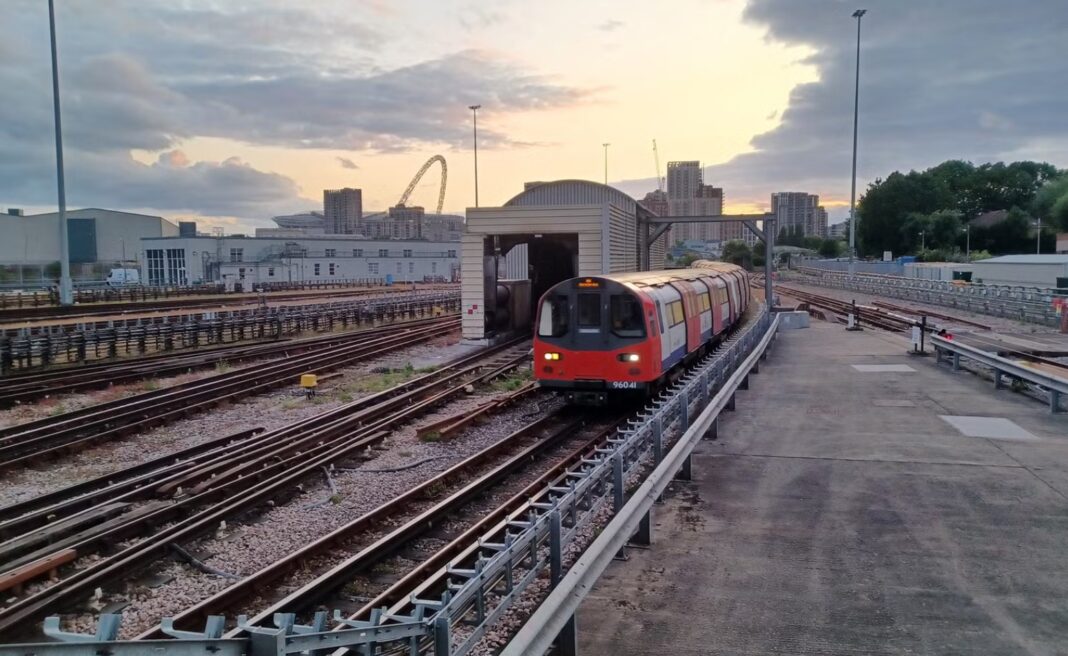

Source: https://tfl.gov.uk/travel-information/improvements-and-projects/
Underground signalling and station upgrades across London network are now table stakes for anyone serious about transport resilience and future growth. I remember when this was still seen as a ‘nice to have’—but after leading project teams in the field for 15 years, I see it differently. The pace, the stakes, the user demands: everything has changed. This is an honest look, not just at technical milestones, but at the unexpected curveballs and business realities behind the transformation journey across London’s massive underground rail ecosystem.
Upgrading underground signalling and stations isn’t just about modernisation—it’s about survival in a market where “good enough” is no longer good enough. I’ve helped steer more than one turnaround where failing tech and out-of-date stations were draining cash, talent, and credibility. Some lessons took years and millions to learn, but I’d stake my name on the fundamentals I’ll set out below.
Making the Case for Investment
Look, every year someone tries to sell the illusion that minimal upgrades will patch decades-old underground signalling, and every year it blows up—sometimes literally. In my experience with London network upgrades, the financial argument doesn’t sell itself. Executives want ROI, not a cost sink. What has worked is tying upgrades directly to ridership growth projections and maintenance cost reductions. We’re talking real numbers here—a 7% reduction in faults two years after a large-scale signalling overhaul on the Central line.
The toughest boardrooms push back on expenditure, especially when upgrades mean short-term disruption. My take: frame upgrades as insurance, not expense. It’s protection against network-wide paralysis and deeply expensive PR fallout.
Managing Disruption and Stakeholder Backlash
Here’s what nobody talks about: system upgrades inevitably mean hassles—weekend closures, angry commuters, politicians eager for a scapegoat. Back in 2018, I naively believed strong communications could smooth it all over. Truth? Openness helps, but you have to set tighter expectations and leave room for the unexpected.
We once committed to reopening by Monday morning after a signalling cutover. This backfired; when a delay occurred, even though we hit our adjusted timeline, the noise was ferocious. The lesson? Under-promise, over-deliver, and never confuse transparency with optimism. Bring stakeholders round the table early. The angry emails will still come, but at least you’re shaping the message, not just dodging the bullets.
Prioritising Safety Over Speed
MBA programs tout efficiency above all, but the underground signalling and station upgrades across London have taught me there’s such a thing as moving too fast. I’ve seen teams shortcutting regression tests, thinking they know better—and then saw months of progress vanish with a single cascading failure. The reality is harsh: you can’t ‘catch up’ on safety later.
Industry data is unambiguous. Most transport companies see around 3-5% fewer operational incidents after comprehensive upgrades—if, and only if, safety is treated as non-negotiable throughout. Do the drills, test beyond what’s required, and don’t fall for the seduction of early wins.
Adapting to Technological Shifts
The underground network across London isn’t just upgrading; it’s mutating every quarter. Digital signalling, big data analytics, and AI-driven traffic flow predictions—the hype is real, but so are the landmines. Take the 2023 AI signalling pilot: theoretical gains were sky high, but in reality, vendor lock-in nearly sank operational flexibility.
My advice: ask vendors tough questions about interoperability and future-proofing. The biggest wins I’ve seen came from teams willing to iterate and pivot, not marry the first solution thrown at them. “Good enough” tech will quickly be tomorrow’s liability if you don’t plan for agility.
Long-Term Benefits and Measuring Success
Everyone can quote ridership stats, but the real measure of London’s underground signalling and station upgrades is what happens five and ten years down the line. You need a war chest of metrics: uptime, maintenance costs, customer satisfaction, and staff retention.
Here’s what works: mix soft signals (staff morale, service perception) with hard data. After one upgrade cycle, we saw a 12% improvement in customer complaints and a 15% drop in unscheduled repairs across three major stations. Don’t let procurement drive your benchmarks—tie them firmly to operational and public-facing outcomes.
Conclusion
If you’re considering major underground signalling and station upgrades across the London network, take it from someone who’s sweated in the tunnels: short-term pain is a reality, but the long-term upside—on resilience, safety, and commercial sustainability—is indisputable. Do the hard work. Hedge your bets, but never your standards. The bottom line is, anyone selling painless change is selling snake oil. Equip yourself with data, push for transparency, and don’t flinch from hard truths.
What drives the need for underground signalling and station upgrades?
The root driver is an aging infrastructure that struggles with demand, safety compliance, and efficiency requirements. Upgrades are essential to prevent failures, improve service reliability, and support London’s growing population.
How disruptive are these projects to commuters?
Signalling and station upgrades inevitably disrupt routines through closures and delays. However, clear communication and phased implementation can ease frustrations, keeping negative impacts contained to shorter timeframes.
What role does technology play in new signalling systems?
Modern signalling relies on digital protocols, data analytics, and sometimes AI. These technologies offer precision and flexibility but introduce new complexity and integration challenges for legacy systems.
How is project success measured in these upgrades?
Success metrics include reduced faults, higher on-time performance, lower maintenance costs, improved safety, and better staff and customer satisfaction scores. Regular tracking against these metrics is vital for ongoing validation.
Why is stakeholder communication so important?
Transparent communication prevents misunderstandings and build-ups of resentment, especially during disruptions. Early and honest dialogue with customers, staff, and authorities reduces backlash and fosters trust.
Are older lines harder to upgrade than new ones?
Yes, older London lines often present more complex engineering and scheduling challenges. Integrating modern technology with decades-old systems always takes longer and carries greater risk than newer installations.
How quickly do upgrades start to deliver benefits?
Minor efficiency gains appear within months, but the real impact—like fewer breakdowns and complaints—emerges over one to two years as systems settle in and staff adapt to new workflows.
What’s the biggest mistake businesses make during upgrades?
A common pitfall is under-investing in training and stakeholder engagement. Overlooking these areas leads to technical issues and public dissatisfaction, undermining the broader benefits of the upgrade.
How are safety standards maintained during upgrades?
Safety is prioritised through detailed risk assessments, phased implementation, rigorous testing, and regular staff drills. Cutting corners to save time or money can lead to catastrophic setbacks.
Are there hidden costs leaders should anticipate?
Absolutely—hidden expenses can include protracted integration work, retraining, extended downtime, and legal liabilities if public commitments aren’t met. Budgeting should always include contingency for the unexpected.