
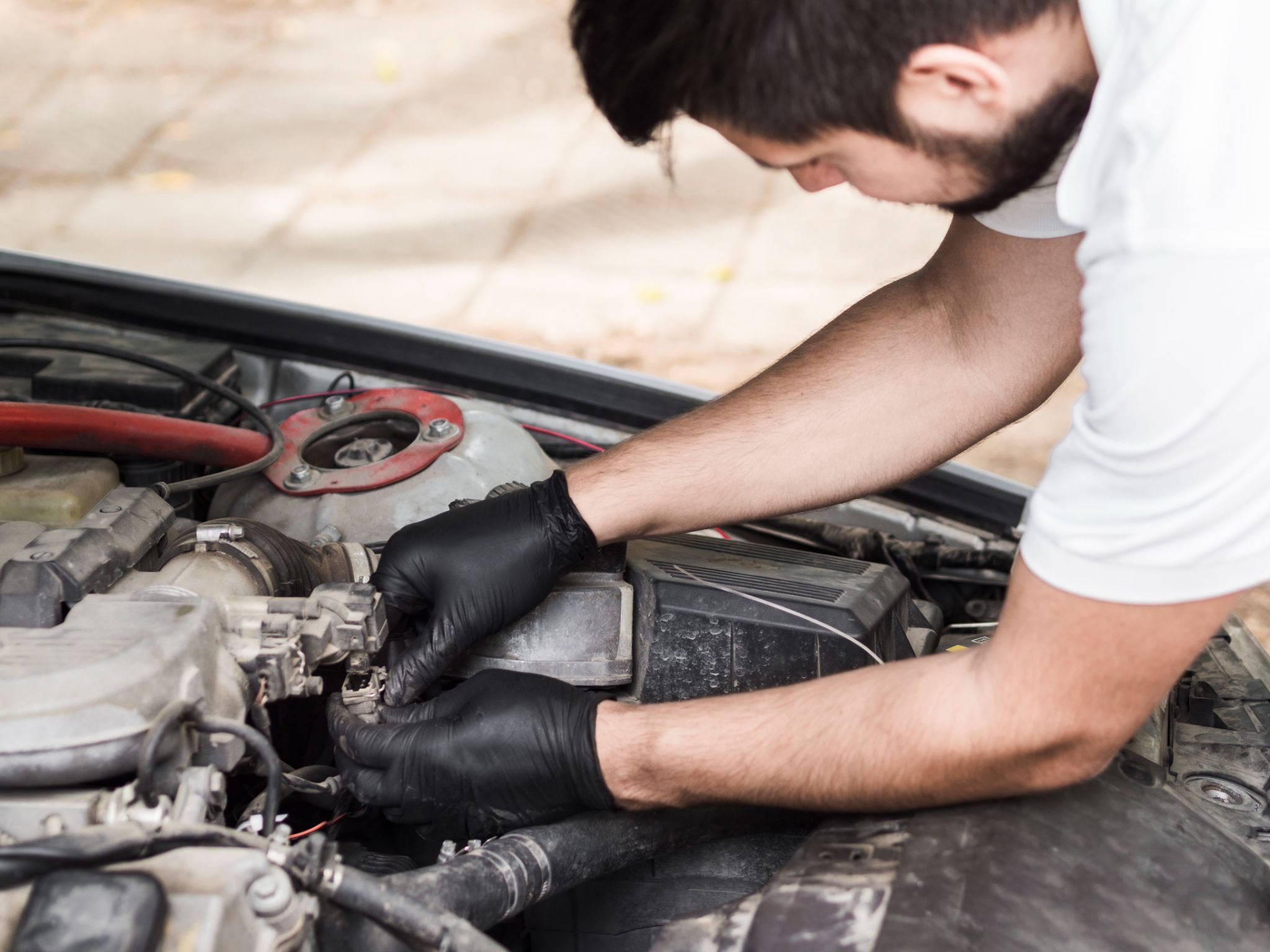
The engine of your vehicle is one of the most complex parts. It contains numerous components that need to work together to keep your car running. Many engine problems stem from normal wear. The best part is that several of them can be fixed with just prevention and timely repairs.
As a vehicle owner, you should recognize the warning signs and follow the manufacturer’s maintenance recommendations to keep your car operating efficiently.
Here are some common engine problems you should know about and how to prevent them.
Issues with the Cooling System
An engine needs a proper cooling system to maintain appropriate operating temperatures. Problems with coolant levels, leaks, thermostat malfunction, or a damaged radiator can cause the engine to overheat.
Keep checking the coolant level regularly. If you see any visible leaks, address them immediately, as it can be a sign that the cooling system needs your attention. Replace coolant when needed.
If you see a temperature warning light, driving the car can seriously damage the engine. Stop the car safely and let the engine cool down before inspecting the cooling system.
Problems With Piston Pins
Although small, piston pins play an important role in keeping your engine running effectively. In your engine, there are pistons and connecting rods. Piston pins connect them and allow the necessary movement between these components.
If a piston pin is damaged or worn, it can start making knocking or tapping sounds. However, these sounds can be made by other components, so a proper diagnosis is important.
However, if the problem is with piston pins, you need to lubricate them properly. Use correct oil and maintain adequate levels to protect piston pins.
Low Engine Oil and Lubrication Issues
Engine oil is necessary to reduce friction between moving components. If you operate your vehicle without sufficient oil level, it can increase friction and component wear.
This is why you should keep checking oil level and try to maintain it according to the manufacturer’s instructions. Change oil and filter as needed and never ignore oil leaks. Small leaks may become something worse over time, leading to dangerously low oil levels.
Worn Spark Plugs and Ignition Problems
A spark-ignition engine depends on the ignition system to ignite the air-fuel mixture at the right time. Worn spark plugs can cause misfires, poor acceleration, and rough idling.
To prevent it, you need to replace spark plugs at recommended intervals. Inspect all related components, such as ignition coils and wiring. If you notice persistent misfires, don’t ignore them. Take your car to professionals and let them fix this issue.
Timing and Belt-Related Problems
The engine’s timing system ensures that components such as the crankshaft and camshaft operate properly. Depending on the engine, this system can use a timing belt or timing chain.
When a timing belt wears out, it can fail, causing severe damage to the engine, particularly to the pistons and valves. Moreover, timing chains can develop problems, such as excessive wear or tensioner issues.
To prevent these problems, make sure to follow all the manufacturer’s recommendations for timing-belt replacement. Investigate the engine promptly if you hear any unusual rattling sounds.