
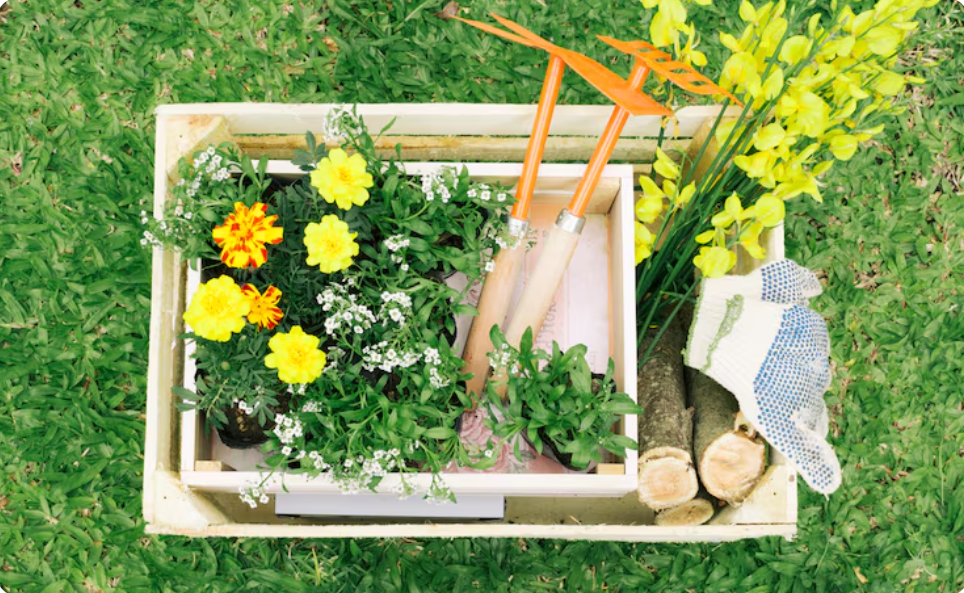
Container gardening is a great option when you want plants around your home without turning gardening into a full-time job. Pots work well on patios, balconies, porches, and even small outdoor corners.
A container that is too small, a plant that needs constant watering, or pots scattered everywhere can quickly make things harder than they need to be. With the right setup, you can enjoy a colorful little garden while keeping daily chores manageable.
Pick Containers That Fit
Choosing the right container can save you plenty of trouble later. Start with the size of the plant and how large you expect it to become. A tiny pot may look cute, but your plant might soon feel like it is living in a cupboard.
Drainage holes are also essential because extra water needs somewhere to escape. Without them, roots can stay too wet and cause problems. Think about the container’s weight too, especially if you plan to move it around.
Choose Plants With Similar Needs
Plants sharing similar sunlight and watering needs are much easier to care for together. If one plant loves dry soil while its neighbor wants regular watering, keeping both happy in the same pot can become a headache.
Before combining plants, check their basic growing requirements. Find out whether they prefer shade, partial sunlight, or brighter conditions. Water needs matter just as much. A little variety can make the arrangement much more interesting. Just make sure the plants can comfortably live together.
Add Royal Flush Caladium
Royal flush caladium can bring distinctive foliage to a container arrangement and give the display a noticeable focal point. Its interesting leaves can add character even when there are not many flowers around. You can pair it with plants that have different leaf shapes or colors, as long as their growing needs are compatible.
A container makes this especially easy because you can experiment without changing an entire garden bed. Try placing the container somewhere the foliage can be seen clearly. You do not need a huge collection of plants to make an attractive display.
Make Watering Easier
Watering becomes much simpler when you know what your plants actually need. Instead of automatically watering every container every day, check the soil first. If it still feels damp, the plant may not need another drink. When watering is needed, give the container enough water to reach the root area thoroughly.
Make sure excess water can drain away through the holes. You can also group containers according to their sunlight and water requirements. Pots that need more frequent watering can stay together, while plants that prefer drier conditions can have their own area.
Keep Your Setup Manageable
A smaller collection of well-planned containers is usually easier to maintain than dozens of pots scattered around the home. Leave enough space between containers so you can walk around them, water plants, and check their leaves comfortably.
Remove damaged leaves when you notice them and watch for plants that are becoming overcrowded. Containers can also be moved when seasonal sunlight changes or a plant starts struggling in its current position. A manageable garden should fit your routine rather than control it.