Open house problems usually aren’t dramatic. They are small distractions that accumulate: crowded furniture, odors, dim rooms, personal clutter, awkward temperatures, unfinished cleaning, or spaces that buyers cannot easily understand. Preparing rooms carefully helps visitors focus on the property’s layout and condition instead of wondering how much work will be required after moving in.
Remove Visual Competition From Each Room
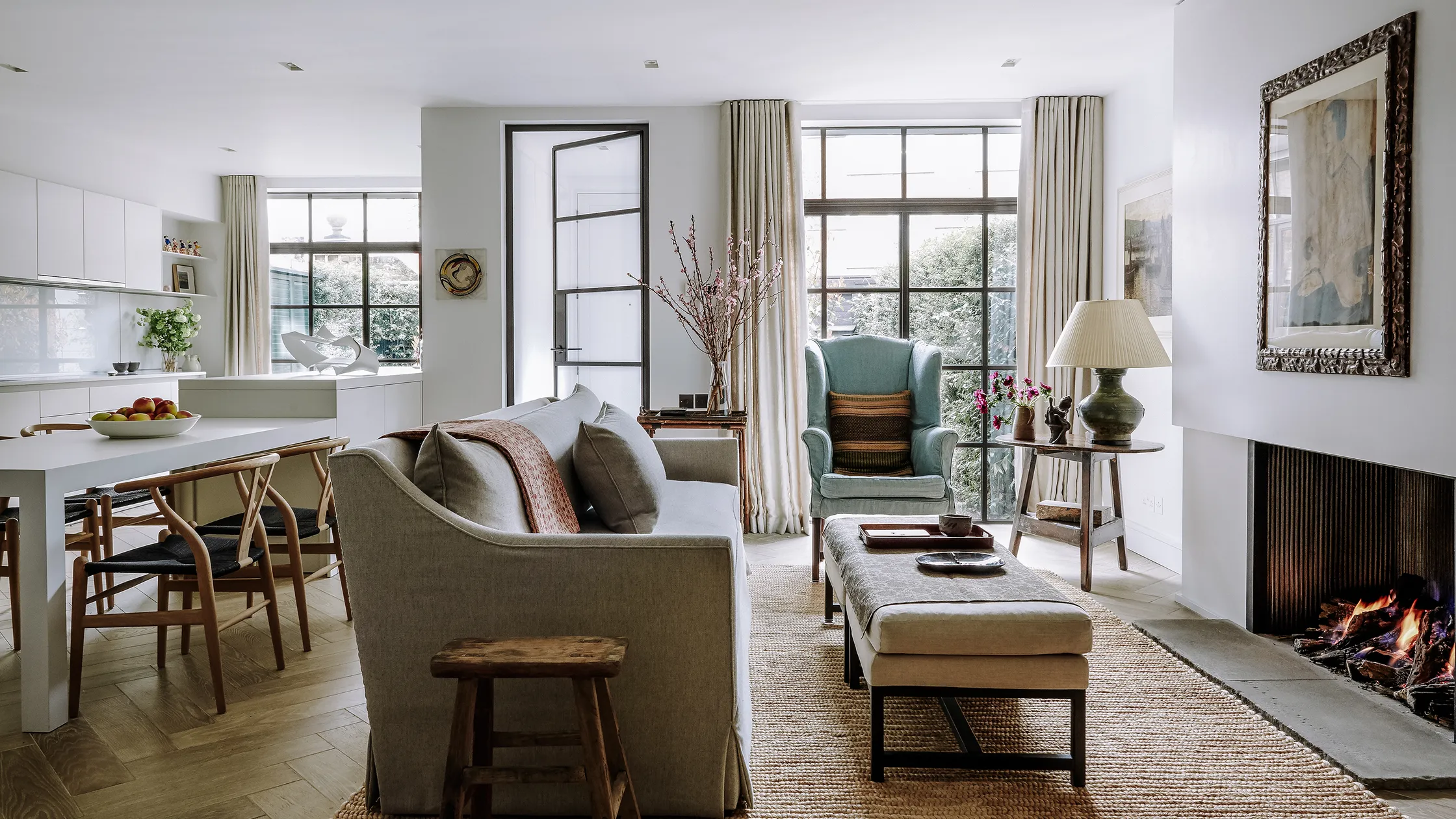
Buyers need enough furniture to understand scale, but too much can make rooms feel smaller. Remove pieces that block walkways, windows, doors, or natural focal points.
Sellers looking through property presentation resources should think in terms of clarity rather than decoration. Each room should communicate its main purpose within a few seconds.
Give Buyers Space to Walk Naturally
Test the route through the home. Visitors shouldn’t need to squeeze between chairs, step around storage baskets, or move sideways past a dining table.
Clear movement makes even modest rooms feel easier to use.
Control Clutter Without Emptying the House
Completely bare rooms can feel cold and make scale difficult to judge. Instead, remove excess objects while keeping a small number of useful furnishings.
Market-oriented real estate reading may focus on larger economic factors, but buyers experience the property at room level. An uncluttered kitchen counter or organized entry can influence that experience more immediately than a broad housing trend.
| Room Problem | Preparation | Buyer Impression |
|---|---|---|
| Crowded furniture | Remove extra pieces | Better flow |
| Dark corners | Add balanced lighting | Brighter space |
| Busy counters | Store small items | More workspace |
| Strong odors | Find the source | Cleaner atmosphere |
Pay Attention to Light and Temperature
Open curtains and blinds where privacy allows, clean windows, and replace failed bulbs. Use indoor lighting to support natural light rather than creating dark corners.
Small presentation choices often matter more than decorative spending. People browsing residential lifestyle ideas may see highly styled interiors, but an open house needs to feel comfortable and understandable rather than staged like a showroom.
Avoid Extreme Fragrance
Strong candles, sprays, and plug-in fragrances can make visitors wonder whether another odor is being hidden.
Clean the source of pet, cooking, moisture, or smoke odors whenever possible instead of covering them.
Prepare the Rooms Buyers Inspect Closely
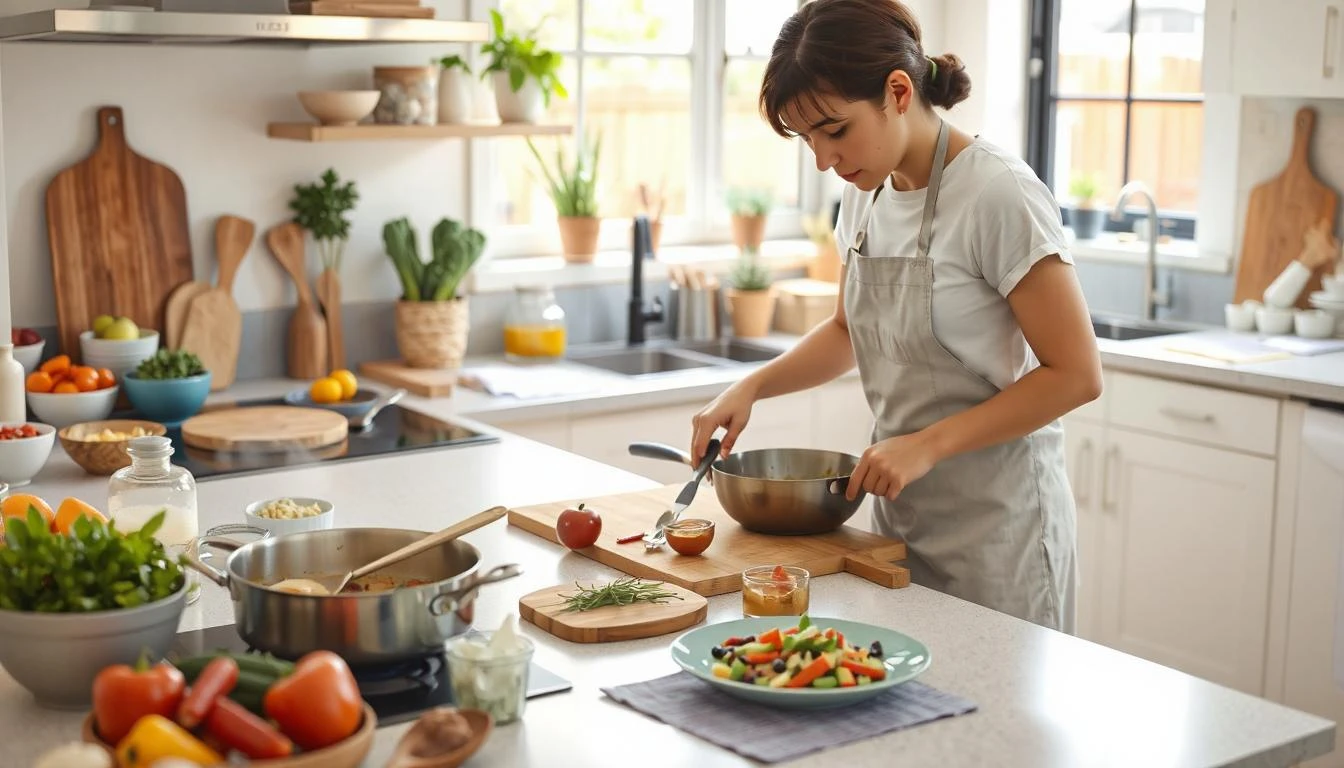
Kitchens and bathrooms receive extra attention because buyers associate them with maintenance costs. Clear counters, clean fixtures, remove stained towels, empty visible trash, and organize items that remain in view.
Bedrooms need less decoration and more space. Make beds neatly, reduce items on nightstands, and avoid filling closets with belongings moved from other rooms. Buyers often open storage spaces to understand capacity.
Don’t ignore utility areas. Laundry rooms, garages, basements, and mechanical spaces may not appear glamorous, but obvious disorder can create doubts about maintenance.
Mistakes That Hurt an Otherwise Good Open House
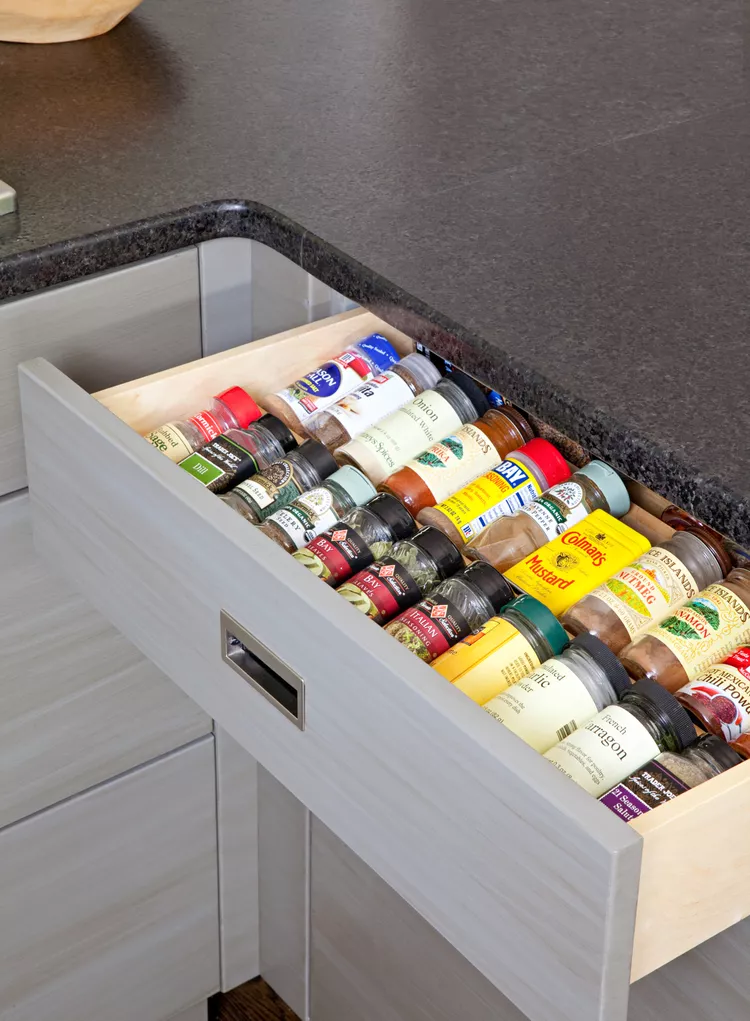
Hiding everything in closets is a common mistake. Buyers are likely to inspect storage, and packed closets can make the home seem short on space.
Another problem is leaving too many occupants or pets in the property. Visitors may shorten their tour because they feel uncomfortable discussing the home openly. Where practical, give buyers enough freedom to look around without feeling watched.
Last-minute cosmetic tricks cannot replace basic cleanliness. A decorative centerpiece won’t distract from dusty vents, greasy appliances, stained grout, or dirty floors.
Frequently Asked Questions
How much furniture should stay during an open house?
Keep enough furniture to show the purpose and scale of each room while removing pieces that make movement difficult or block architectural features.
Should sellers leave during an open house?
In many situations, buyers feel more comfortable examining the property and discussing it freely when the seller isn’t present. Coordinate access and security arrangements with the professional running the open house.
What should I do with pets during an open house?
If possible, arrange for pets to stay elsewhere temporarily. This reduces noise, allergy concerns, escape risks, and distractions while visitors tour the property.
Prepare for the Buyer’s Point of View
Walk through the property as a visitor before the doors open. Notice what blocks movement, creates odor, reduces light, hides storage, or makes a room difficult to understand. Correct those distractions before spending money on elaborate staging. A successful open house doesn’t require perfection; it requires a home that feels clean, comfortable, cared for, and easy for buyers to imagine using.