
Kitchen waste often grows because cooked food disappears into the refrigerator without a plan. A container gets pushed behind newer groceries, nobody remembers when it was prepared, and another meal is cooked before the first one is used.
Better leftover habits turn food already prepared into visible options for upcoming meals instead of forgotten containers.
Decide on Leftovers Before Cleaning Up
The best time to plan leftover food is when the meal ends. Decide which portions will become lunch, which ingredients could be reused in another dish, and what probably will not be eaten.
Pack useful portions promptly rather than leaving one oversized container that nobody wants to open later. Smaller meal-sized portions also make it easier to see how much food is actually available.
Label What You Can’t Identify Easily
Clear containers help, but many cooked foods still become difficult to recognize after a day or two. A simple label with the food name and preparation date removes guesswork.
That matters most in busy households where several people add food to the same refrigerator.
Give Leftovers a Visible Refrigerator Zone
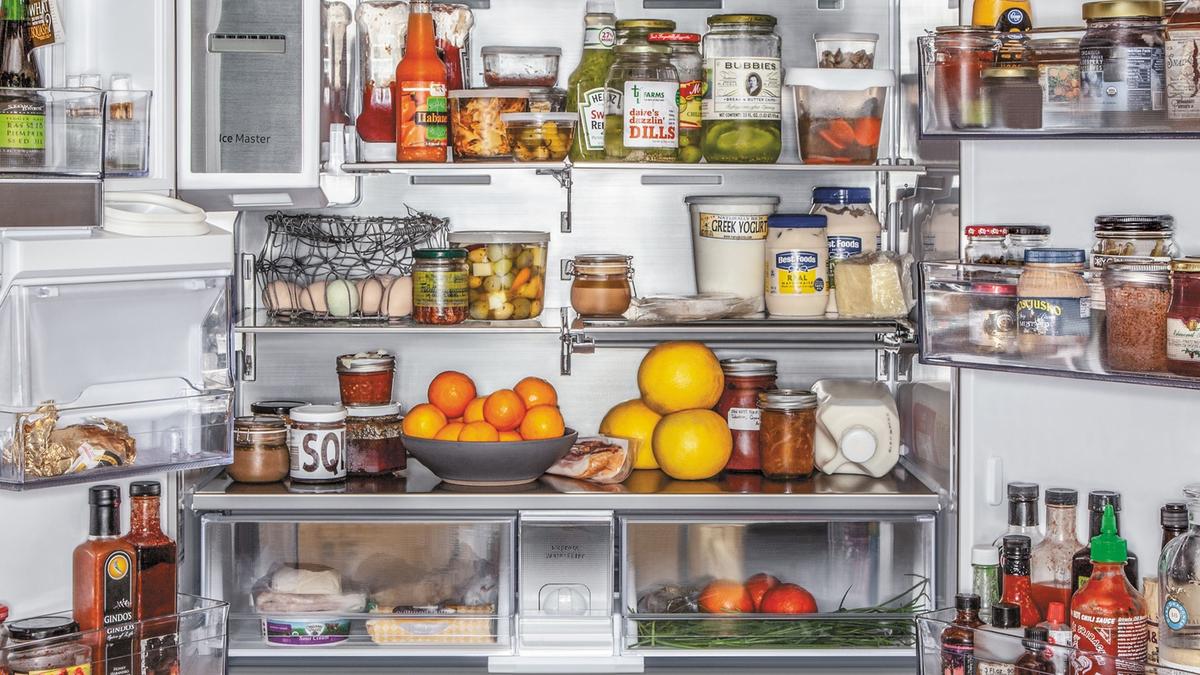
Choose one shelf or section for food that should be eaten soon. When leftovers are spread across several drawers and shelves, they become easier to overlook.
People gathering ideas from general household reading may find many storage systems, but the useful one is the system everyone in the home can understand without explanation.
| Common Problem | Storage Habit | Meal Benefit |
|---|---|---|
| Food gets forgotten | Use one leftover zone | Easier to spot |
| Portions are too large | Divide into meal sizes | Faster lunches |
| Containers are unclear | Add simple labels | Less guessing |
| New food hides old food | Place older items forward | Encourages earlier use |
Visibility can prevent more waste than buying another set of storage containers.
Turn Components Into New Meals
Leftovers don’t always have to be reheated in their original form. Cooked vegetables can join a grain bowl, roasted meat can become a sandwich filling, and plain rice may work as the base of another meal.
Ideas found through independent blog ideas can provide inspiration, but start by looking at what is already in the refrigerator before choosing the next recipe.
Think in components rather than complete dishes. A small amount of one ingredient may seem insufficient alone but become useful when combined with something fresh.
Plan One Leftover Meal Into the Week
A scheduled “use what we have” lunch or dinner creates a natural deadline for opened ingredients and cooked food. It also reduces the tendency to prepare a new meal simply because nobody checked the refrigerator first.
Households browsing home-focused advice can adapt the idea to their routines. Some may prefer a weekday lunch, while others may use leftovers before grocery shopping.
The point isn’t to create another rigid rule. It is to make using existing food part of the normal meal cycle.
Where Leftover Storage Plans Fail
Saving everything can become another form of waste. A tablespoon of sauce, food nobody enjoyed, or portions with no realistic reuse plan may occupy refrigerator space until they are discarded later.
Another mistake is hiding food inside mismatched opaque containers without labels. The refrigerator may look organized while nobody knows what is available. Storage only reduces waste when the food remains identifiable and convenient enough to eat.
Make the Refrigerator Support Meal Decisions
Before shopping or cooking, scan the leftover area first. One available portion may solve tomorrow’s lunch, while two or three partial ingredients can suggest an easy dinner.
Keep older usable food visible and avoid stacking newer containers in front of it. A short refrigerator check can become part of meal planning rather than a separate household chore.
Frequently Asked Questions
What is the easiest way to remember leftovers?
Keep them together in one visible refrigerator section and label containers clearly. A designated area reduces the chance that cooked food becomes hidden behind unopened groceries or newer meals.
Should leftovers be stored as one large portion?
Meal-sized portions are often more convenient because someone can take exactly what they need without reopening the entire batch. The best format still depends on how you expect to use the food later.
How can leftovers become a different meal?
Look at individual components instead of the original dish. Cooked grains, vegetables, proteins, sauces, and breads can often be recombined with fresh ingredients to create lunches, bowls, wraps, soups, or other simple meals.
Make Existing Food the First Option
Reducing kitchen waste doesn’t require complicated meal planning. Make leftovers visible, portion them according to likely use, label what could be forgotten, and check existing food before preparing something new.
The most useful storage system is the one that leads to another meal. Give yesterday’s food a clear place in today’s choices, and fewer containers will reach the back of the refrigerator untouched.