
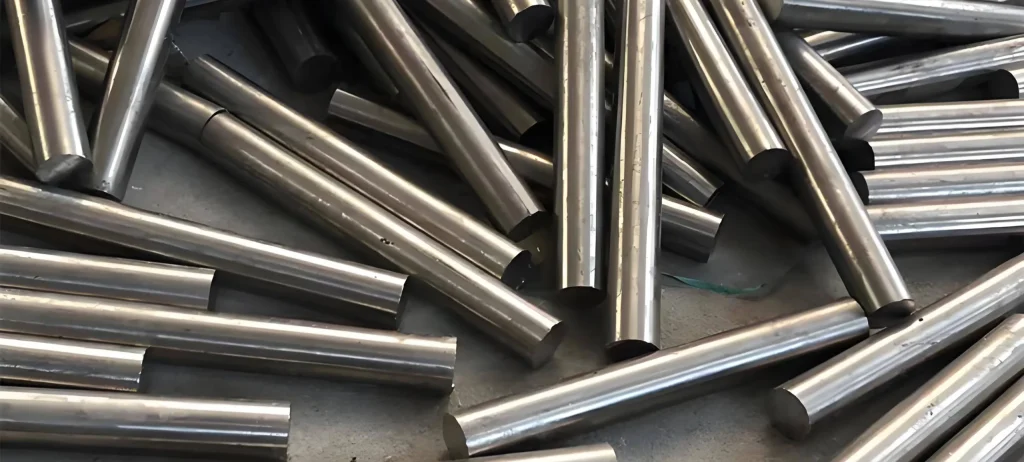
Industrial piping systems continue requiring materials capable of withstanding increasingly demanding operational conditions across various applications. Understanding the specific benefits certain specialized materials provide helps engineers and buyers make more informed selection decisions. Exploring these benefits helps illustrate why particular material choices continue earning strong consideration for demanding industrial use. Reviewing progress periodically helps catch small issues before they grow into larger, costlier problems. Staying informed about industry standards helps property owners and businesses make more confident, educated decisions.
Why Industrial Piping Systems Require Specialized Materials
Standard piping materials often fail to withstand the extreme temperature, pressure, or corrosive conditions found in many industrial applications. This limitation drives continued demand for materials specifically engineered to meet these demanding operational requirements. Understanding this need helps explain the ongoing importance of specialized material selection within industrial engineering. Recognizing this context supports appreciation for the technical considerations behind material selection decisions. Understanding the full picture, rather than focusing on a single factor, supports smarter overall decisions.
The Industrial Advantages of Nickel Alloy Pipe
Selecting nickel alloy pipe provides exceptional corrosion resistance and temperature tolerance suited to particularly demanding industrial operating conditions. This material maintains structural integrity even in highly corrosive or high-temperature environments that would compromise many standard alternative materials. Its reliability under these demanding conditions makes it a trusted choice for critical industrial applications requiring consistent, dependable performance. These combined advantages explain why this material continues earning strong consideration for challenging industrial projects.
Understanding Corrosion Resistance in Demanding Environments
This material’s corrosion resistance proves particularly valuable in environments involving chemical exposure, high salinity, or other aggressive operating conditions. Understanding this specific property helps engineers appreciate why this material choice often justifies its cost for genuinely demanding applications. This resistance significantly extends operational lifespan compared to materials more susceptible to environmental degradation. Recognizing this value helps buyers make more informed decisions for challenging industrial environments. Taking the time to compare available options carefully often leads to more satisfying results in the long run.
Temperature Performance for Critical Industrial Applications
Maintaining structural integrity across a wide temperature range represents a particularly valuable characteristic for many demanding industrial applications. This temperature tolerance supports reliable performance in processes involving significant heat exposure or rapid temperature fluctuations. Understanding this capability helps engineers appreciate why this material choice suits certain high-temperature industrial processes particularly well. This performance characteristic significantly supports overall system reliability in demanding thermal environments.
Sourcing Quality Materials for Demanding Industrial Projects
Working with reputable suppliers ensures access to materials genuinely meeting required specifications for demanding industrial applications. Verifying certifications and requesting detailed documentation helps confirm material authenticity and appropriate performance characteristics. Building relationships with trusted suppliers supports more consistent, reliable access to quality materials over time. This careful sourcing approach protects both project performance and long-term operational reliability. Setting clear expectations from the outset helps avoid confusion or disappointment later in the process.
Conclusion
Specialized industrial materials continue playing a critical role in supporting reliable performance across demanding operational environments. Understanding their unique properties helps engineers and buyers make more informed material selection decisions. With careful attention to material quality and sourcing, industrial projects can achieve the reliability their demanding applications require. Investing a little extra time upfront often saves considerable time, money, and frustration later on.