
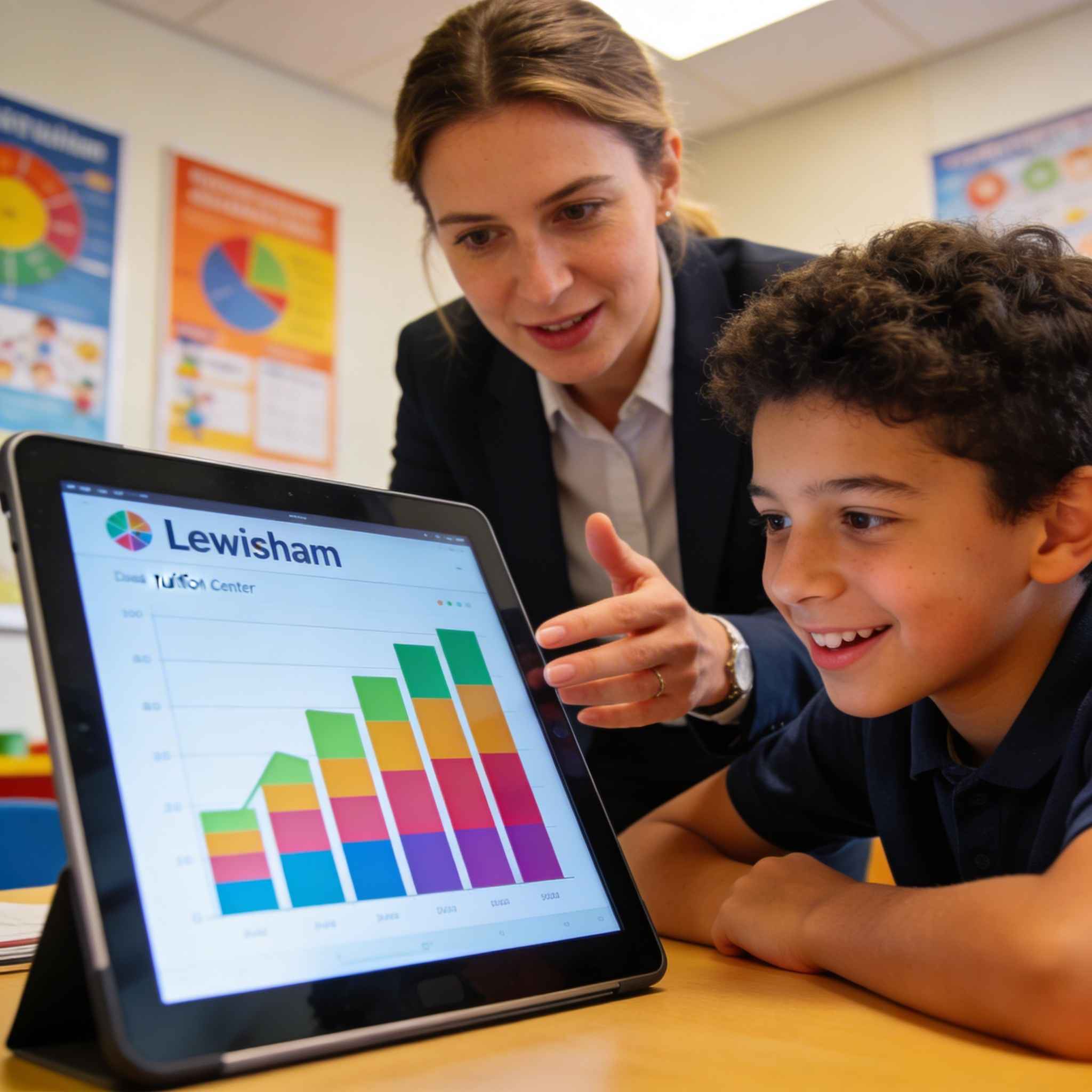
Exploring How Tutors at a Lewisham Tuition Centre Use Assessment Results to Refine Their Tutoring Strategies, Personalise Learning, Track Progress & Boost Academic Results
Tutors should begin each term with a clear mission. This is exactly what happens at Lewisham Tuition Centre. Tutors understand what their students know and what they don’t. So, they find the learning gaps and customise their teaching accordingly. They gather assessment results early. They then use that data to shape their tutoring and monitoring. This exploration walks through the ways Lewisham tutors work. It will give the readers a full view of how assessment results drive better teaching strategies at Lewisham Tuition Centre.
Initial Assessments Set the Tone for Success
Tutors in Lewisham organise a baseline assessment soon after a student joins. They use quizzes or diagnostic checks in key subjects. They map out their strengths and weaknesses from these results. Besides that, they share the findings with the student and often a parent or guardian too. Then they build a plan based on the revelation of that assessment. This early step matters because it gives the tutor a clear starting point. It also offers a benchmark to measure progress against. As a result, the student and tutor know where they’re approaching.
Gap-Analysis Helps Tutors Identify Invisible Needs
After initial assessments come deeper diagnostics. Tutors look not only at what questions the pupil got wrong, but why. They identify misconceptions and missing prior knowledge. They also notice their under-developed skills. From that they decide what must be addressed first. This gap-analysis prevents simply re-teaching the “same topic” without digging deeper. It ensures the tutor doesn’t assume the student understands earlier building blocks. As a result, tutoring strategies change. Tutors slow down and revisit fundamentals. They also amend their explanations. That’s how they keep the learning solid rather than shaky.
Personalised Feedback Transforms Learning Pathways
Tutors provide feedback tailored to every student after assessment. They highlight where the student did well and where they need improvement. That’s how they suggest specific actions, like revising a concept or practising a skill. Tutors often include short-term goals for the next session. This feedback keeps the student engaged. It turns a test result into a conversation and a plan. Besides that, tutors use the assessment data not as a label, but as a launch pad. The student sees the connection between the test and the next steps. Eventually, the student feels motivated and builds momentum.
Regular Quizzes Matter in Tutoring Sessions
Tutors at Lewisham Tuition Centre emphasise regular low-stakes quizzes with teaching. These quizzes serve multiple functions.
- Firstly, they check retention of recent material.
- Secondly, they highlight areas where understanding is weak.
- Thirdly, they keep the student alert to their own progress.
Tutors in Lewisham then use the quiz results to adjust their next session. They slow down or change tactics if a quiz shows shaky performance on a topic. They move on to deeper work if the pupil excels. That responsiveness ensures the teaching is dynamic and responsive.
Tutors Pivot Methods After Assessment Insights
Lewisham tutors change their tutoring strategy when assessment results point out a particular weakness. They choose to use different resources:
- Visuals,
- Practical tasks,
- Pair work, or
- Scaffolding.
They may revisit earlier work or reshape the sequence of topics. They may adopt a mastery approach. These pivots matter because no two students respond the same way. The assessment gives concrete evidence that a method isn’t working. So, the tutor tweaks the approach rather than carry on regardless. That’s how the student improves efficiency and reduces frustration.
Review Cycles Improve Teaching Strategy
Lewisham tutors use formal or informal assessment. That’s how they check the student’s progress after a block of work. Then the tutor reviews the results. After that, the tutor then adjusts their teaching strategy for the next block. These review cycles ensure progress isn’t assumed. Tutors build in checkpoints and enable swift correction. They also allow the student to reflect on their own progress. This reflection fosters ownership of learning and supports better outcomes.
How Tutor-Student Collaboration Benefits from Data
Assessment results form the basis of conversations between tutor and student. The tutor meets the student and discusses what the data shows. They ask:
- What felt difficult?
- What helped?
- What to aim for next?
This collaboration makes the student a partner in their own learning journey. This collaboration is important for building trust and motivation. The student isn’t a passive recipient. They see the assessment data, and they reflect on it. They also share the plan. The tutor listens to them and adapts accordingly. This shared responsibility makes the tutoring strategy more effective as it aligns with how the pupil learns best.
Conclusion
Assessment results at the Lewisham Tuition Centre are not just records. These results show what the pupil does or doesn’t know. They are tools. So, these tools guide teaching strategy and shape resources. They define goals and check progress. Lewisham tutors don’t guess. But they rely on data. They analyse gaps and adapt methods. That’s how they monitor progress and involve the student in a meaningful way. This approach makes teaching smarter and more efficient. For any pupil, when assessment guides the way, the path to improvement becomes clearer. That’s the heart of how this tuition centre really supports learning.