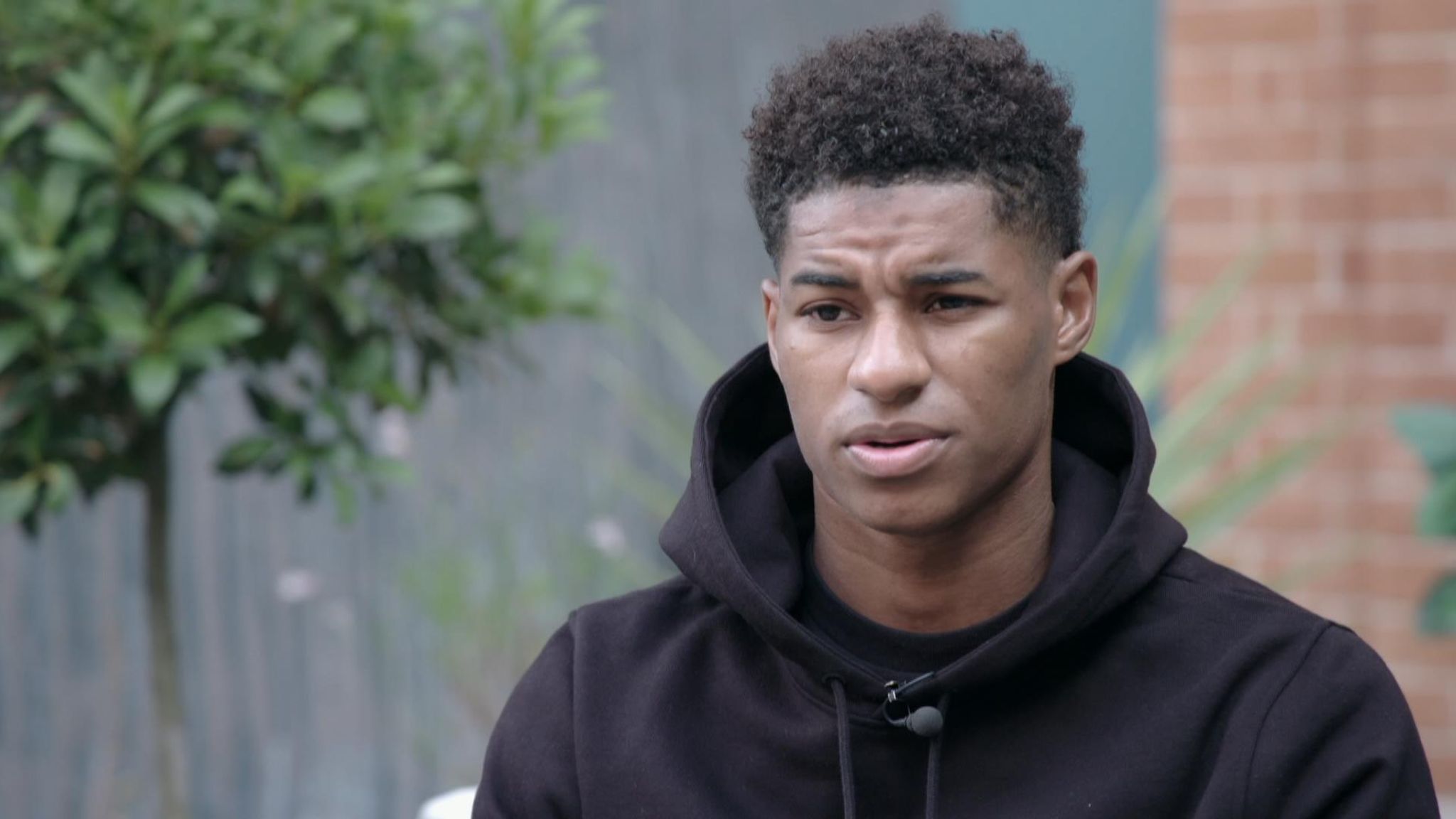
When public figures attach their name to causes affecting vulnerable populations, the conversation shifts from speculation to strategy. Marcus Rashford children news centers primarily on the footballer’s sustained advocacy work addressing child food poverty rather than personal parenthood, creating a narrative architecture that blends athletic achievement with social responsibility. This is reputation building through demonstrated values, not performance metrics alone.
The reality behind Marcus Rashford children news involves understanding how a professional athlete leveraged platform, timing, and cultural momentum to influence policy decisions affecting millions of young people across the country. What looks like philanthropy from the outside operates as sophisticated stakeholder engagement internally.
The Advocacy Signals Behind Public Perception And Media Attention
Marcus Rashford built credibility on child welfare issues not through celebrity endorsement alone, but through personal narrative alignment. He positioned his campaign around lived experience, framing policy arguments through an autobiography that policymakers and media outlets found difficult to dismiss or critique without appearing tone-deaf.
The mechanics here are instructive for anyone building influence in contested spaces. Rashford didn’t enter the child food poverty debate with abstract statistics or secondhand research. He opened with vulnerability, stating clearly that he had been one of the children who relied on free school meal programs. That’s positioning.
When the campaign to extend free school meal vouchers gained traction, the government initially resisted before reversing course. That U-turn wasn’t accidental—it reflected calculated pressure applied through public sentiment, media cycles, and cross-party support mobilized in compressed timeframes. The footballer didn’t just tweet his opinion; he structured a movement.
Narrative Control And The Distinction Between Private Life Context
One frequent misconception in Marcus Rashford children news coverage involves conflating his advocacy work with assumptions about his personal family status. The footballer does not have children of his own, yet media framing often blurs this distinction, allowing audiences to project parental identity onto someone championing child welfare.
This creates interesting dynamics around authenticity and authority. Does advocacy require personal parenthood to carry weight? From a strategic standpoint, Rashford’s positioning suggests otherwise. His childhood experience as a beneficiary of support programs provides firsthand credibility that parental perspective alone might not deliver.
The broader lesson applies to brand-building across sectors: lived experience often outweighs adjacency. Audiences respond to “I was there” more readily than “I care about this.” The former carries proof; the latter requires trust.
Timing, Pressure, And Why Campaigns Succeed During Crisis Windows
Rashford’s campaign to extend free school meals didn’t launch randomly—it peaked during a period of heightened public anxiety around pandemic-related disruptions. Timing wasn’t luck; it was contextual awareness applied to policy windows that briefly opened under pressure.
Look at the mechanics. The footballer published an open letter to politicians on a weekend, generating immediate media coverage before parliamentary response cycles could dilute momentum. Within days, the Department for Education had reversed its position, committing significant funding to continue the program.
This kind of execution requires understanding how decision-makers respond to reputational risk. The campaign didn’t just appeal to moral arguments—it created a scenario where opposition looked politically untenable. That’s strategic framing, not hope.
Sustained Engagement Reality And The Cost Of Visibility
Following the initial campaign success, Rashford expanded his work through partnerships addressing homelessness and launching book clubs aimed at disadvantaged children. This isn’t mission drift—it’s brand extension into adjacent causes where his platform carries transferable credibility.
The practical challenge with sustained advocacy involves maintaining attention once the initial media surge fades. Rashford’s approach involved diversifying tactics: policy campaigns, direct partnerships with charities raising millions in funding, and grassroots initiatives like literacy programs. Each serves a different stakeholder group while reinforcing the core positioning.
From a business perspective, this resembles portfolio management. Not every initiative generates equivalent visibility, but each contributes to the broader narrative architecture that keeps the overall platform relevant across news cycles. That’s how influence compounds over time rather than spiking and fading.
The Measurement Problem And What Proof Actually Looks Like
Marcus Rashford children news often highlights impressive figures: hundreds of thousands of children fed, millions raised, policy changes secured. These metrics matter for public credibility, but the underlying impact measurement remains more complex than headlines suggest.
Did the campaign end child food poverty? No. Did it shift policy in ways that provided immediate relief to vulnerable families? Yes. The distinction matters because advocacy effectiveness doesn’t require solving entire systemic problems—it requires demonstrable progress within defined constraints.
The footballer’s statement after the government U-turn captured this pragmatism: families now have “one less thing to worry about”. Not a complete solution, but a meaningful reduction in immediate stress. That’s realistic goal-setting translated into public messaging.
What I’ve learned from watching these dynamics play out is that sustainable advocacy requires balancing ambition with deliverable outcomes. Campaigns that promise total transformation often collapse under their own weight. Initiatives that frame progress incrementally while maintaining long-term vision tend to survive multiple news cycles and build coalitions that extend beyond single moments of public attention.