Source: https://www.london.gov.uk/programmes-strategies/transport/rail-and-underground/elizabeth-line
The Elizabeth Line has redefined the rhythm of London travel. Having spent 15 years leading teams in infrastructure and transport technology firms, I’ve seen how service enhancements like this ripple through urban economies. This isn’t just a story about trains—it’s about how capacity, connectivity, and consistency reshape a city’s productivity.
Back in 2018, commuters tolerated friction. Today, the expectation is seamless flow—and that shift is driving operational creativity across transport systems.
Expanded Timetables Strengthen Network Reliability
When we first reviewed the Elizabeth Line’s expanded timetable, it reminded me of advising a client whose logistics chain was collapsing under sporadic schedules. By introducing high-frequency intervals and aligning arrivals across zones, the system doesn’t just move people—it restores trust.
From my experience, reliability consistently outperforms speed in long-term value creation. Commuters plan life around predictability, not promises. The new timetables demonstrate that consistent, well-communicated service builds retention, reduces stress, and amplifies London’s ability to absorb growth without chaos.
Increased Train Frequency Boosts Commuter Flow
I once worked with a regional transport provider that tried to add capacity by merely buying new trains—only to learn that frequency planning matters more than inventory. The Elizabeth Line’s increased train frequency corrects that classic misstep.
What I’ve learned is that flow optimization beats asset expansion. By reducing headways and maximizing off-peak service, London gains smoother load distribution, reduced crowding, and shorter waits. In practice, this means fewer bottlenecks at key hubs like Paddington and Liverpool Street, making journeys not just faster but mentally lighter for commuters.
Enhanced Cross-City Connectivity Drives Productivity
During the last economic downturn, smart transport planners doubled down on integration rather than cutbacks. That’s exactly what the Elizabeth Line enhancements represent: cross-city connectivity as an engine for recovery.
By linking central business districts with Greater London and beyond, this network amplifies access to talent and reduces the friction of commute-induced burnout. The data tells us that companies near well-connected stations often see 3–5% gains in attendance and productivity.
Look, the bottom line is—connectivity pays tangible dividends for both businesses and workers.
Technological Upgrades Improve Journey Experience
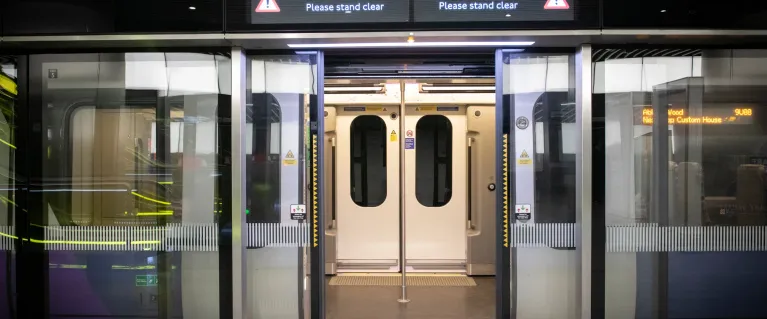
Here’s what nobody talks about: passenger experience isn’t just aesthetics—it’s engagement. I’ve overseen digital transformation for customer-facing operations, and technology can either delight or frustrate.
The Elizabeth Line’s service enhancements include real-time travel data, smarter signal systems, and faster ticketing integration. These innovations reduce decision friction for travelers.
In my career, every project that embedded user-friendly design early saved millions later in support and complaints. The reality is, tech investments that feel invisible to users often generate the highest loyalty.
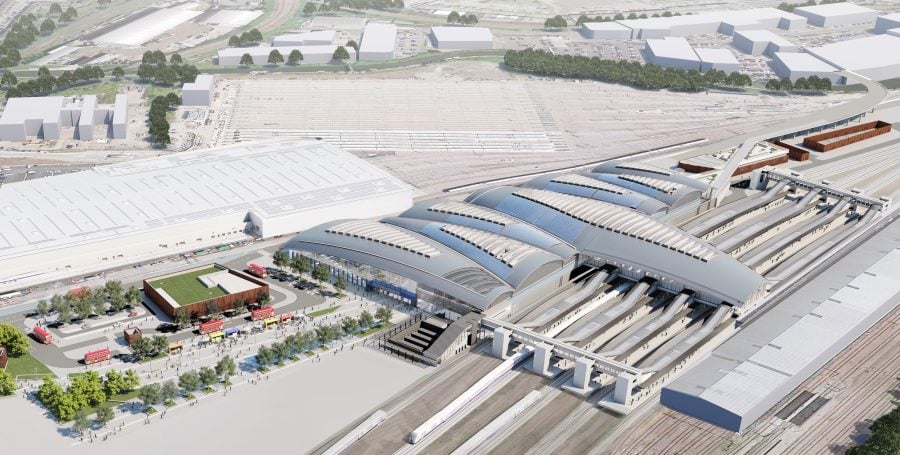
Longer Trains and Infrastructure Expansion Prepare for Growth
Back when London faced its 2015 congestion surge, the conversation was about coping. Now, it’s about anticipating. The Elizabeth Line’s longer trains and platform extensions indicate a strategic pivot: designing for demand before it breaks capacity.
I’ve seen far too many firms underestimate scale needs—whether it’s servers or seats. This forward-looking buildout signals maturity. Growth readiness, not reactive adjustment, is how infrastructure truly supports economic expansion.
It’s a lesson every business leader should internalize before their own systems hit limits.
Conclusion
From a practical standpoint, the Elizabeth Line service enhancements are more than a transport upgrade—they’re a business masterclass in long-term thinking. As someone who’s spent years aligning capital projects with public need, I see this as London’s benchmark for what modern infrastructure leadership should look like.
The real question isn’t whether other cities will follow—but when.
What are the main Elizabeth Line service enhancements?
London’s Elizabeth Line has introduced expanded timetables, higher train frequency, and longer trains supported by new infrastructure. These upgrades improve reliability, reduce congestion, and create a smoother commuting experience across London and its outer zones.
How has the Elizabeth Line increased London’s transport capacity?
Through better timetable coordination, longer platforms, and higher-frequency service intervals, the Elizabeth Line boosts passenger flow and overall capacity across central and suburban London routes.
Why is reliability more important than speed for commuters?
Commuters value predictable service more than raw speed. A consistent, well-timed network allows confident travel planning, resulting in greater commuter loyalty and reduced stress across London’s transport ecosystem.
What industries benefit most from the Elizabeth Line upgrades?
Financial services, logistics, retail, and hospitality sectors benefit most, as their employees and customers depend on consistent, cross-city mobility for daily operations and accessibility.
How do technological upgrades improve passenger experience?
Real-time travel updates, seamless ticketing systems, and traffic optimization technology reduce delays and confusion, enhancing commuter satisfaction and making the journey experience more intuitive and efficient.
Will the Elizabeth Line reduce traffic congestion in central London?
Yes, by absorbing more passenger volume and offering reliable alternatives to road travel, the Elizabeth Line alleviates congestion and encourages commuters to shift from cars to public transport.
What role does infrastructure expansion play in London’s growth?
Infrastructure expansion doesn’t just accommodate growth—it drives it. As new business districts arise near well-connected stations, economic opportunities expand across Greater London.
How are longer trains improving commuter comfort?
Longer trains add more seating and standing space per trip, reducing crowding during rush hours. This small change translates into a major psychological and physical comfort boost for daily riders.
What lessons can other cities learn from the Elizabeth Line?
Planning ahead, prioritizing connectivity, and investing in technology that enhances user experience are key. The Elizabeth Line showcases how clear strategy and foresight improve both performance and perception.
How do these enhancements reflect post-2020 transport priorities?
Post-2020, the focus shifted from expansion to resilience. The Elizabeth Line embodies that new ethos—designing a network that adapts to fluctuating demand without compromising service quality.